

Midwest 3PL: Why Your Distribution Hub Should Sit Where TCG Operates
subscribe
Join the TCG mailing list for industry news, capacity updates, and guidance from across the network. One email at a time, no noise.
When manufacturers and distributors evaluate where to position inventory, one question sits at the center of every network design: How can we reach the greatest number of customers quickly and cost effectively?
Despite changing sourcing strategies, e-commerce growth, and evolving supply chains, the answer remains the same: The Midwest continues to serve as the center of gravity for North American distribution.
TCG’s roots in Mount Vernon, Indiana, place the company in one of the country’s most strategically connected logistics regions. From this location, businesses gain efficient access to major freight corridors, manufacturing centers, and population hubs across the United States, Canada, and Mexico.
For companies evaluating third-party logistics providers, the key is proximity to customers, access to transportation infrastructure, and partnering with a logistics provider that understands how to leverage both.
Why the Midwest Remains America’s Distribution Center
Few regions offer the transportation advantages found in the Midwest. Its central location allows freight to reach large portions of the U.S. population within one to three days while minimizing transportation costs compared to coastal distribution models.
The region also benefits from an extensive interstate highway network, access to major Class I railroads, proximity to manufacturing and industrial customers, as well as connections to inland ports, Gulf Coast ports, Great Lakes shipping, and East Coast gateways.
Because so many transportation networks intersect throughout the Midwest, companies can often reduce both transit time and freight costs while maintaining service flexibility. For organizations shipping nationally, that combination remains difficult to match.
Mount Vernon: Built at the Intersection of Manufacturing and Logistics
TCG’s Midwest presence didn’t develop by accident. Its logistics operations grew alongside manufacturers throughout the Mount Vernon region, supporting industrial, chemical, and manufacturing customers whose supply chains demanded dependable transportation and warehousing.
Located near the convergence of Indiana, Illinois, and Kentucky, Mount Vernon provides access to major transportation corridors serving both the Midwest and Southeast. The area’s proximity to the Ohio River further strengthens connections to regional freight infrastructure and multimodal transportation.
Rather than selecting a location simply because logistics costs were low, TCG established its operations where many of its customers manufacture and distribute their products. That history continues to shape the company’s understanding of industrial supply chains today.
A Midwest Footprint That Extends Well Beyond Indiana
While TCG maintains strong Midwest roots, its transportation capabilities extend throughout North America. Customers benefit from a network that combines regional density with national reach through dedicated transportation, truckload brokerage, intermodal transportation, cross-border freight into Canada and Mexico, and regional trucking supported by nationwide capabilities.
For many shippers, regional density provides greater value than maintaining offices in every market. A provider with concentrated operational strength can often deliver more consistent service, stronger carrier relationships, and better transportation planning than one with a broader but less integrated footprint.
Why Mid-Market Shippers Benefit from Midwest-Based 3PL Operations
The Midwest supports a wide variety of industries that depend on efficient transportation and distribution. These include manufacturers, consumer products companies (CPG), automotive manufacturers and suppliers, industrial distributors, and food and beverage companies.
Locating inventory near the center of the country provides several operational advantages. Shorter average transit distances often reduce transportation costs while improving delivery performance. Inventory can be positioned more strategically to serve customers on both coasts, throughout the South, and across the Midwest without relying on multiple distribution facilities.
Companies expanding internationally also benefit from improved access to Canadian and Mexican markets through established cross-border transportation networks. For growing organizations, selecting the right logistics partner can be every bit as important as selecting the right warehouse location.
Transportation and Warehousing Work Better Together
Transportation and warehousing are often managed separately, but they perform best when planned as one integrated operation. Coordinating inventory storage with transportation planning helps companies:
- Position inventory more effectively
- Accelerate order fulfillment
- Reduce unnecessary handling
- Improve appointment scheduling
- Optimize freight movements
- Lower total landed costs
Warehouse Services Inc. (WSI), part of the broader TCG organization, provides warehousing and supply chain support that complements TCG’s transportation capabilities. Instead of operating as isolated services, warehousing and transportation work together to create more efficient distribution networks that improve visibility while reducing operational complexity.
The TCG Advantage: Midwest Roots, North American Reach
Many companies evaluating logistics providers find themselves choosing between small regional operators and large multinational 3PLs.
TCG offers a different approach. Family-owned since 1986, the organization has grown into a $700 million transportation and logistics company employing approximately 4,000 people across more than 50 locations throughout the United States, Canada, and Mexico.
Customers benefit from:
- One commercial relationship
- One master agreement
- One escalation path
- Asset-based transportation supported by brokerage flexibility
As logistics needs evolve, customers also have access to specialized capabilities across the broader TCG family of companies, including:
- Warehouse Services Inc. (WSI) for warehousing and supply chain services
- PhishFirewall for SaaS-based cybersecurity
- IPG for specialized industrial plastics solutions
- Cox Custom Threads for commercial embroidery services
- Cox Industrial Services for commercial sandblasting, coatings, and equipment services
These resources are available when customers need them, allowing businesses to expand capabilities without managing multiple vendor relationships.
Build Your Network Around the Right Hub
The Midwest continues to be one of North America’s strongest locations for distribution. Its transportation infrastructure, manufacturing base, and central geography allow companies to serve customers efficiently while supporting long-term supply chain growth.
But location alone isn’t enough. The right logistics partner determines how effectively that location performs. With deep roots in Indiana and a transportation network that reaches across North America, TCG helps shippers simplify their supply chains through integrated transportation, warehousing, and logistics services designed around operating efficiency.
If you’re evaluating third-party logistics providers in the Midwest, TCG combines regional expertise with North American transportation, warehousing, and supply chain capabilities to help you build a stronger distribution network. Contact TCG today to learn how a Midwest-based logistics strategy can support your business.
Fill out the form and the right TCG team will reach out.
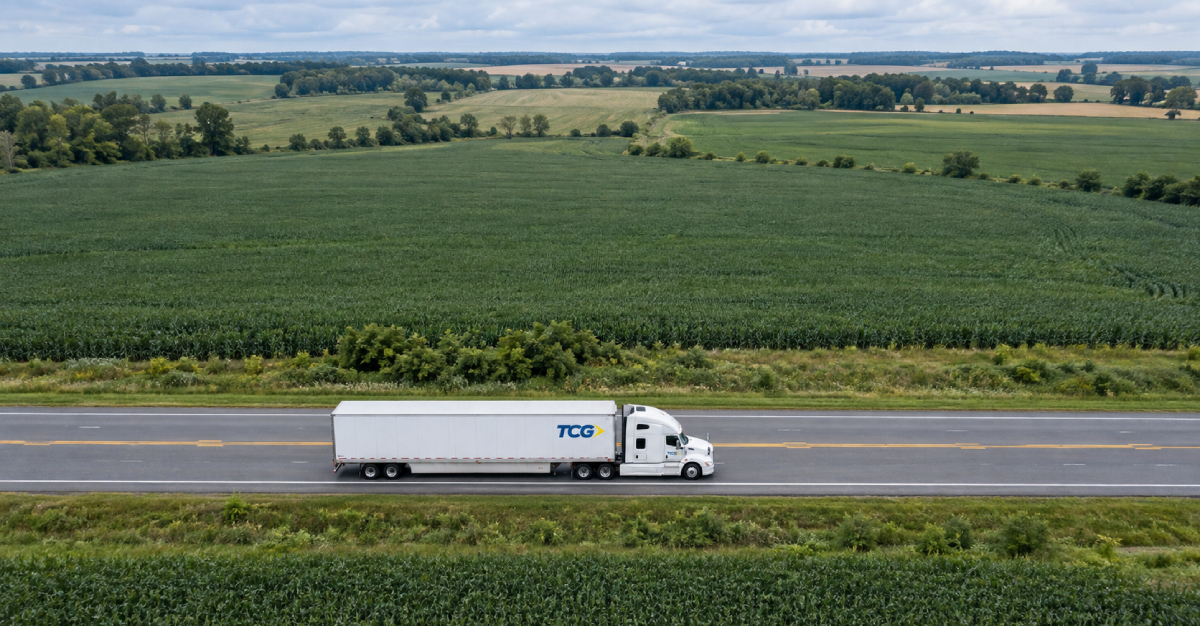
High Diesel, Driver Restrictions Continue to Impact Trucking
High diesel costs, tighter driver restrictions, and shrinking capacity are reshaping trucking. See what shippers should expect heading into peak season.

Market Forces Pushing Freight Rates North
Freight rates are climbing as fuel costs rise and capacity tightens. Explore the latest truckload, LTL, and regulatory trends shaping the freight market.
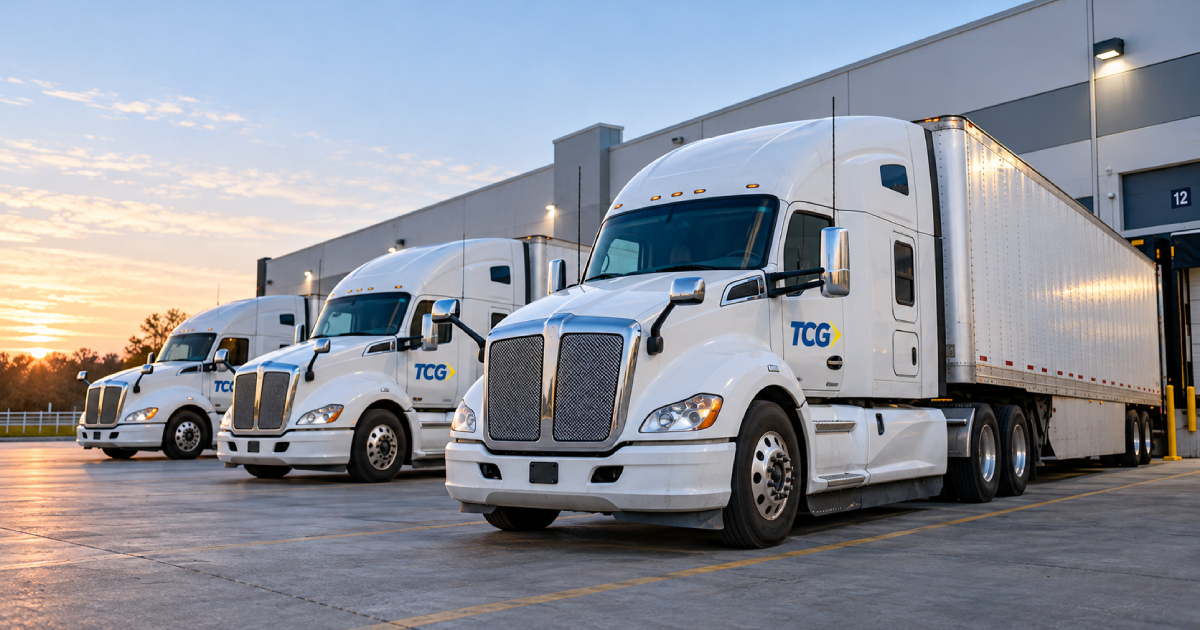
Dedicated Trucking Services: What “Dedicated” Should Mean in 2026
Explore how dedicated trucking services work, when it makes sense, what to include in a contract, and how to balance reliability with flexibility.
Regulatory Environment Hitting Reliability of Capacity
Trucking capacity is tightening as regulations, driver shortages, and fuel costs pressure carriers. See what shippers are facing in the back half of 2026.
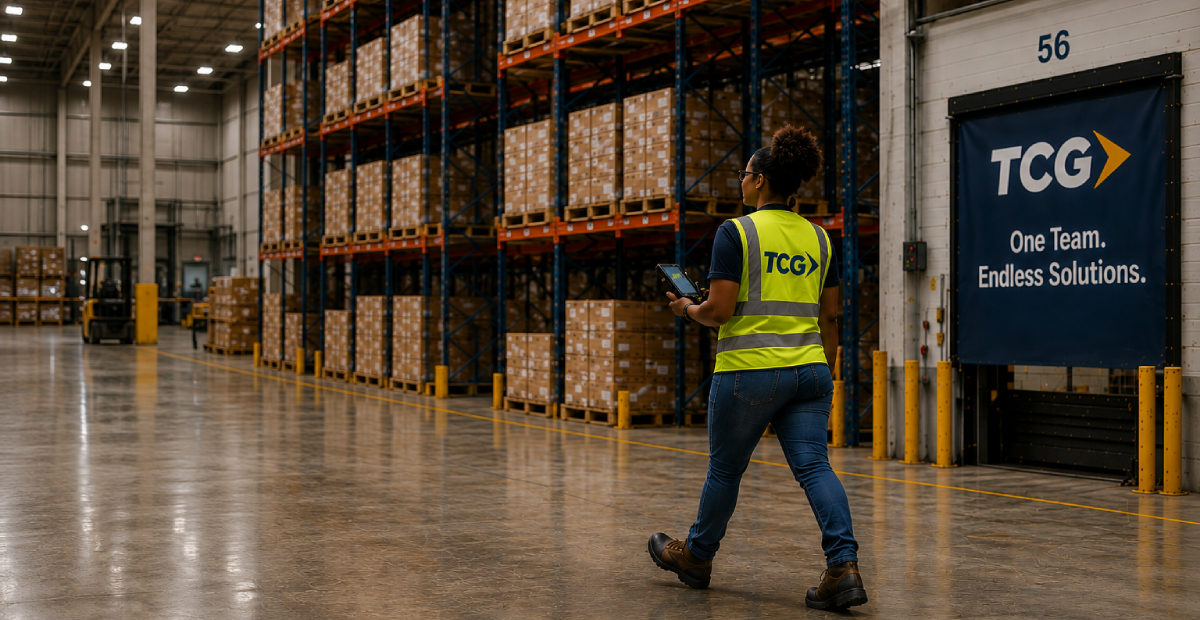
Third-Party Warehousing Companies: How to Compare Multi-Site Providers
Learn how to rank third-party warehousing companies by network footprint, transportation integration, technology, scalability, and supply chain fit.
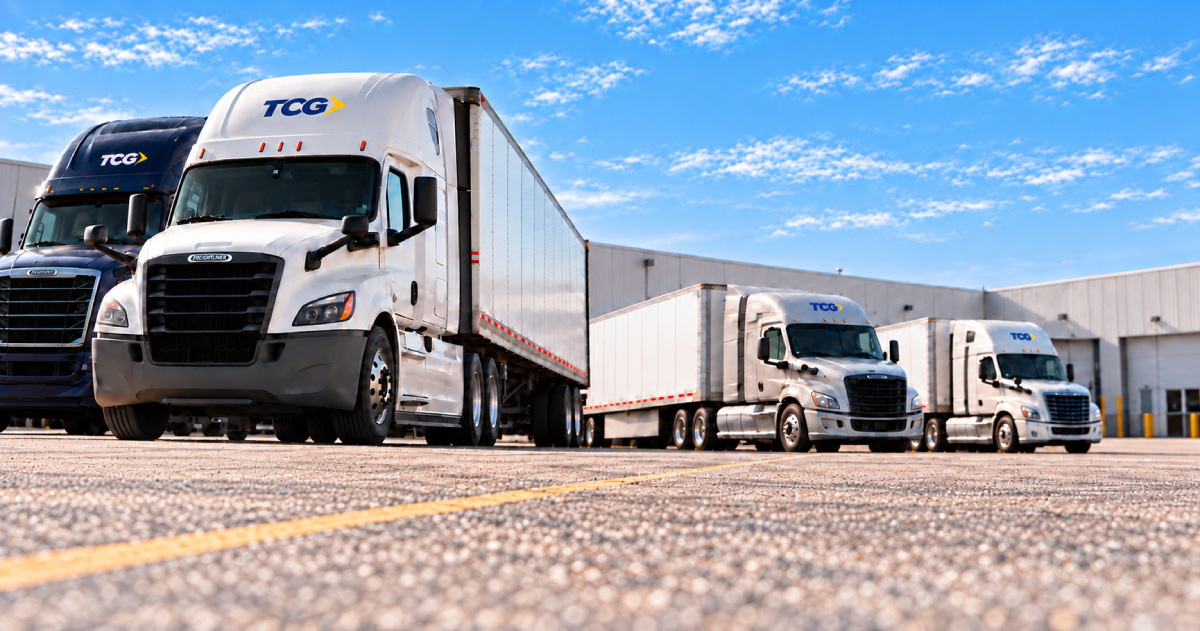
Asset-Based Carrier vs. Broker: Which One Actually Moves Your Freight?
Learn how an asset-based carrier compares with a freight broker, when each delivers the most value, and why many shippers benefit from both.
Cross-Border Trucking Seeing Impact of Tariffs
Tariff changes are reshaping North American freight flows, affecting cross-border trucking demand, capacity, trade lanes, and shipping strategies.
When Does a Company Actually Need Dedicated Trucking?
Dedicated trucking has the most value when predictable freight, demanding service requirements, and the consequences of failure justify the commitment.
Trucking Capacity Tightens, Spot Rates Up, and a Data Center Boost
Trucking capacity is tight, demand remains uneven, rates rise, tender rejections bump up, and post-Montgomery is a daunting prospect for smaller carriers.
Let’s Hear It for Truck Drivers: The Men and Women We All Rely On
Truck drivers connect manufacturers with distributors, farms with grocers, and warehouses with retailers. That contribution deserves recognition.
Freight Brokerage, Asset-Light, Asset-Based: How to Know When to Use What
Learn how freight brokerage compares with asset-light and asset-based transportation, and when each model — or combination — makes the most sense for you.
What Is Third-Party Warehousing? A 2026 Guide for Manufacturers and Distributors
Modern third-party warehousing is about much more than putting pallets on racks. A 3PL may handle a range of value-added services.

Customer Expectations Rise for AI in Logistics
Explore the latest AI in logistics trends, from autonomous supply chains and last-mile delivery to yard management and shipper expectations.

Freight Market on the Upswing: CSCMP Report
CSCMP says the freight market recovery is underway as truck capacity tightens, LTL demand grows, and supply chain volatility becomes the new normal.
Ten Transportation Companies, One Name: Introducing TCG
(TCG) bring(s) a 40-year legacy of service excellence across warehousing, multi-mode trucking, and supply chain … Our 10 brands sit under a single operating model, giving you what most mid-market t…
What Is a Third-Party Logistics Provider? A Plain-English Guide for 2026
What is third-party logistics? Learn how 3PLs help shippers manage freight, warehousing, capacity, and supply chain growth in 2026.

Why a $700M Logistics Company Hired Its First Salesperson This Year
For nearly 40 years, we didn’t have a sales department because we never built the company around selling; we built it around relationships. That’s a subtle distinction, but I think it’s an importan…
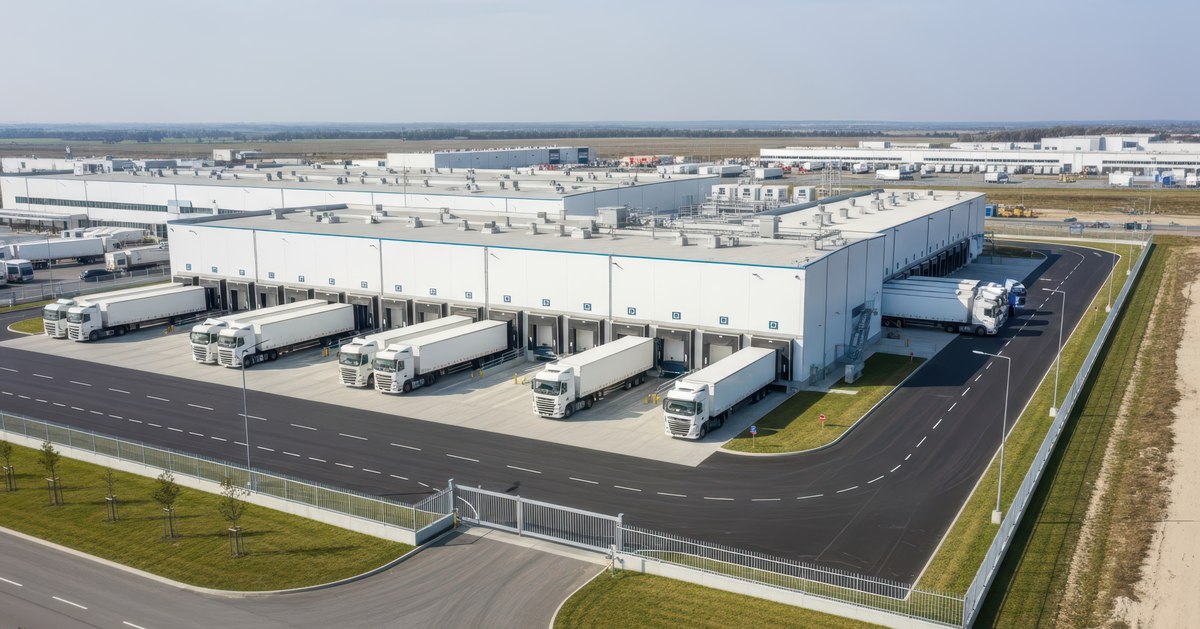
How to Consolidate 10 Logistics Vendors Down to Two (Without Losing Service)
Vendor consolidation is happening across nearly every industry. Procurement organizations are under constant pressure to reduce complexity while improving operational performance. And transportatio…

Best 3PL Providers in 2026: How Mid-Market Shippers Should Actually Compare
In 2026, selecting among the top third-party logistics companies requires looking beyond size and evaluating practical considerations like transportation assets, brokerage capabilities, geographic…
3PL Pricing in 2026: What Storage and Transportation Actually Cost
The term 3PL covers a broad range of logistics services rather than a single product. Every shipper selects a different combination depending on its business model and customer requirements.