What Is a Third-Party Logistics Provider? A Plain-English Guide for 2026
If you’ve ever asked, “What is third-party logistics?” you’re not alone.
As supply chains become more complex, more manufacturers, distributors, and product brands are turning to third-party logistics providers (3PLs) to help manage transportation, warehousing, and freight operations. What began decades ago as a way to outsource transportation has evolved into a broad range of logistics services that can support nearly every stage of the supply chain.
At its simplest, third-party logistics refers to outsourcing some or all logistics functions to a specialized partner. A 3PL may manage a single shipping lane, coordinate truckload freight, oversee warehousing operations, provide dedicated transportation, handle cross-border shipments, or manage an entire transportation network.
Companies rely on 3PLs not only to reduce transportation costs but also to improve service levels, gain access to capacity, increase flexibility, and scale operations without building a large internal logistics organization.
How Does Third-Party Logistics Work?
The basic relationship is straightforward: the shipper manufactures, sells, or distributes products. The 3PL manages part or all of the movement and storage of those products.
Carriers, drivers, warehouses, and technology platforms execute the physical and digital movement of freight. A typical third-party logistics workflow includes:
- Freight planning
- Carrier sourcing and capacity management
- Shipment scheduling
- Transportation execution
- Tracking and visibility
- Exception management
- Delivery confirmation
- Performance reporting
The best 3PL relationships function as an extension of the shipper’s supply chain team rather than simply as an outside vendor. They help solve problems, anticipate disruptions, and provide operational expertise that many companies would struggle to build internally.
What Services Are Included in Third-Party Logistics?
Third-party logistics is an umbrella term that covers a wide range of supply chain services, broken into these main service categories:
Transportation Management
Transportation management remains the most common service associated with 3PLs. This can include:
- Full truckload (FTL)
- Less-than-truckload (LTL)
- Expedited freight
- Intermodal transportation
- Specialized equipment
- Carrier management
- Route optimization
- Freight procurement
Many transportation activities appear simple when everything is operating normally. The true value of a logistics partner often becomes apparent when something goes wrong: a weather event closing a highway, a truck breaking down, a missed pickup, or a last-minute appointment change at a distribution center. The ability to react quickly and keep freight moving is often where a strong 3PL delivers the greatest value.
Dedicated Transportation
Some companies require more consistency than traditional transportation networks can provide. Dedicated transportation assigns trucks, trailers, and drivers to a specific customer or operation.
Benefits include:
- Greater service consistency
- Improved delivery reliability
- Better visibility
- Stronger operational control
Dedicated transportation often works well for:
- Manufacturing facilities
- Distribution networks
- High-volume shipping lanes
- Regular customer delivery schedules
For many companies, dedicated transportation offers the advantages of a private fleet without the burden of owning and managing one.
Warehousing and Distribution
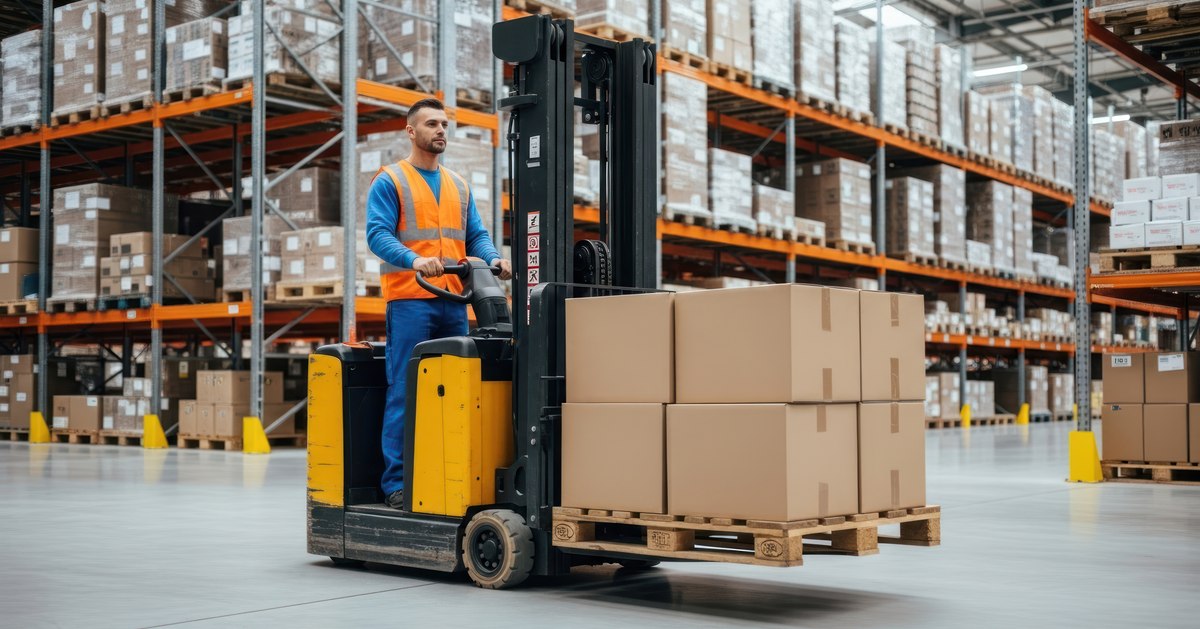
Transportation is only one part of the supply chain. Many 3PLs also provide warehousing and distribution services such as:
- Inventory storage
- Pick-and-pack operations
- Order fulfillment
- Distribution support
- Inventory management
Strategically located warehouse space can position inventory closer to customers, reduce transit times, and improve service levels while helping companies avoid significant real estate and labor investments.
Cross-Border and International Logistics
Global supply chains continue to create demand for logistics partners with international expertise. Cross-border logistics services may include:
- U.S.-Canada transportation
- U.S.-Mexico transportation
- Customs coordination
- Documentation support
- Border-crossing expertise
For companies moving freight internationally, navigating regulations, documentation requirements, and border processes can be challenging. Experienced logistics partners help reduce delays and improve shipment reliability.
The Different Types of Third-Party Logistics Providers
Not all 3PLs operate the same way. Understanding the different business models is one of the most important aspects of evaluating potential logistics partners.
Asset-Based Third-Party Logistics
An asset-based 3PL owns or operates physical logistics assets such as:
- Trucks
- Trailers
- Warehouses
- Distribution facilities
- Dedicated fleets
Because they control their own equipment, asset-based providers often have greater operational control over freight movement. Advantages include:
- Direct control over equipment
- Dedicated capacity options
- Consistent service on core lanes
- Greater operational visibility
Potential limitations include geographic concentration or specialization in specific equipment types.
Non-Asset-Based Third-Party Logistics
A non-asset-based 3PL leverages a network of carrier partners rather than operating trucks or transportation assets. Advantages include:
- Broad carrier access
- Flexible capacity
- Ability to scale quickly
- Access to multiple transportation options
Because these providers rely on carrier relationships, they can often adapt rapidly to changing market conditions. The trade-off is that they typically have less direct control over the physical movement of freight.
Hybrid Third-Party Logistics: Combining Assets and Flexibility
Increasingly, mid-market shippers prefer a hybrid logistics model. A hybrid 3PL combines:
- Asset-based transportation
- Freight brokerage
- Warehousing
- Distribution services
- Multiple transportation modes
This model allows companies to benefit from dedicated capacity and operational control while retaining the flexibility to access broader transportation markets when demand fluctuates.
For many growing manufacturers and distributors, hybrid logistics provides the best balance of reliability, scalability, and cost management.
Why Do Companies Outsource Third-Party Logistics?
Supply chains today are significantly more complex than they were even a decade ago.
Companies now manage:
- More customer locations
- More demanding delivery requirements
- More transportation modes
- Regional and international distribution networks
As complexity increases, logistics expertise becomes more valuable.
Capacity and Service Requirements Have Increased
Many industries face:
- Seasonal demand spikes
- Tight transportation markets
- Retail compliance requirements
- Time-sensitive production schedules
Maintaining reliable transportation capacity has become increasingly difficult without dedicated logistics resources.
Internal Logistics Teams Need More Support
Many mid-market companies have experienced transportation managers and supply chain leaders. What they often lack is the infrastructure necessary to manage:
- Hundreds of carrier relationships
- Multiple transportation modes
- Warehouse networks
- Cross-border operations
- Real-time freight visibility
A 3PL provides additional operational depth without requiring the company to build that infrastructure internally.
When Is the Right Time to Use Third-Party Logistics?
Several common signs indicate it may be time to partner with a 3PL.
- Transportation issues are consuming too much internal time.
- Freight costs are becoming unpredictable.
- The business is expanding into new markets.
- Managing multiple logistics vendors has become difficult.
- Customer service failures are becoming increasingly expensive.
- The company needs warehouse support or dedicated transportation capacity.
Many manufacturers and distributors eventually discover that coordinating numerous providers creates unnecessary complexity. As a result, many are consolidating vendors and working with fewer strategic logistics partners.
What Should You Look for in a Third-Party Logistics Partner?
A strong 3PL should provide more than access to trucks.
Capacity That Matches Your Business
Ask questions such as:
- Do they operate transportation assets?
- Do they have brokerage capabilities?
- Can they support multiple transportation modes?
- Do they have experience in your core shipping regions?
The right capacity profile should align with your operational needs.
People Who Respond When Problems Occur
Technology has transformed logistics visibility, but supply chains still require experienced people. When evaluating a provider, consider:
- Who answers after hours?
- Is there a clear escalation path?
- How quickly are issues resolved?
- Can decision-makers be reached when needed?
Technology provides information, but people solve problems.
The Ability to Grow With You
A logistics relationship should support future growth, not simply current requirements. Evaluate:
- Geographic coverage
- Cross-border capabilities
- Warehousing resources
- Reporting and visibility tools
- Industry expertise
The strongest logistics partnerships often last for years and evolve alongside the customer’s business.
TCG: Bringing Together Asset-Based and Asset-Light Third-Party Logistics
For four decades, the 10 companies that now operate under TCG have served manufacturers, distributors, and product brands through specialized transportation disciplines.
Today, those capabilities include:
- Asset-based dedicated transportation
- Truckload operations
- Regional transportation services
- Freight brokerage
- Intermodal transportation
- Cross-border logistics throughout the United States, Canada, and Mexico
- Warehousing and broader supply chain support
The result is a logistics model specifically designed for mid-market companies that need both the stability of transportation assets and the flexibility of broader market access.
Backed by The Cox Group, TCG combines:
- $700 million in annual revenue
- More than 4,000 employees
- Over 50 locations across North America
- Family ownership since 1986
- Forty years of operating experience
Customers gain access to the resources of a large logistics organization. Even better, you gain an accountable partner that believes in making its leadership accessible, and the phone still gets answered when freight issues occur outside normal business hours.
You can also leverage sister companies under The Cox Group umbrella in warehousing and supply chain management, cybersecurity, real time track-and-trace visibility, industrial plastics, high-quality embroidery or commercial sandblasting, coatings, and equipment services, with no forced bundling.
It’s About Extending Your Supply Chain, Not Outsourcing Responsibility
Understanding what third-party logistics is ultimately comes down to one idea: a 3PL is not simply another vendor hired to move freight.
The right logistics partner becomes an extension of your operation, bringing together transportation capacity, warehousing resources, technology, and experienced operators to help solve increasingly complex supply chain challenges.
At TCG, that means combining asset depth, market flexibility, and one accountable relationship across dedicated transportation, freight brokerage, intermodal, cross-border logistics, warehousing, and broader supply chain services.
Instead of managing multiple vendors, shippers gain a single partner capable of supporting transportation and logistics needs across North America.
Ready to simplify your supply chain with a third-party logistics partner that combines asset-based transportation with brokerage flexibility? Contact TCG today to discuss your transportation and logistics requirements.
.jpg)