

Customer Expectations Rise for AI in Logistics
subscribe
Join the TCG mailing list for industry news, capacity updates, and guidance from across the network. One email at a time, no noise.
As is the case in most other industries, AI continues to dominate the headlines in the world of logistics, supply chain, and transportation, and this month is no exception. From the acquisition of a Latin American delivery optimization tool to an investment round for a former Amazon logistics exec, to AI “cloning” a CEO to share institutional knowledge with yard managers, there are plenty of notable happenings across the industry. We take a curated look at them below.
Logistics Providers Have Yet to Embed AI at Scale: BCG
Two-fifths of shippers are looking at AI capabilities when choosing a logistics provider, but only 10% are making it a key part of their consideration set, according to a new report from Boston Consulting Group. In an identical survey result, 40% of logistics providers said they’ve gone beyond piloting AI, but just 10% have it embedded in core operations at scale.
“Interest in AI is rising faster than implementation across logistics. … The next challenge is less about access to technology and more about execution, integration, and building the capabilities to capture measurable value,” said Markus Weidmann, BCG managing director and partner and coauthor of the report.
There were marked differences in AI maturity across regions, BCG found. Asia Pacific was furthest along, with 31% of logistics providers saying they have embedded AI into core operations. Less than half that figure (14%) reported having done so in North America, while just 6% checked that box in Europe.
Transportation planning and execution, forecasting, and visibility were identified as the areas where AI can deliver the most value. About four-fifths said cost reduction and operating efficiency are the primary drivers of adoption. “Unclear ROI and internal capability gaps” have replaced “technology cost or complexity” as the main barriers to scaling AI.
Our take: Shippers are eager to see real results from AI adoption by logistics providers, but these hesitation points are real and need to be addressed. It’s still a nascent technology but has unlimited potential, and finds itself in search of solid metrics and true integration.
Clark’s AI Startup Auger Raises $50M in New Round
The promise of supply chain automation, plus the star power of the founder’s pedigree, helped win a new $50 million funding round for Dave Clark’s Auger, bringing the total raised to $150 million, according to Sourcing Journal.
The man who helped build out Amazon’s supply chain network and spent a year at the helm of Flexport has built a system that can analyze data from across enterprise apps to automate supply chain execution decisions. Auger counts Fanatics and Kimberly-Clark among its blue chip clients.
Auger serves as an intelligent orchestration layer, integrating data from ERP, WMS, TMS, demand planning, etc., to create a unified operational view. AI agents continuously analyze data, execute routine decisions automatically, and identify exceptions that require human judgment. This enables supply chain teams to focus on higher-value decision-making.
“More and more enterprises are reaching the same conclusion: autonomy is their future. And almost no one can actually deliver on that promise,” Clark said in a LinkedIn post. “We raised now to move faster toward where our customers are already headed.”
Our take: After a wildly successful run at Amazon, Clark had a mixed scorecard from his brief Flexport stint, where it was a case of “wrong time, wrong place” when the pandemic freight market collapsed and investment ran ahead of growth. Auger seems like a better fit in terms of market timing, AI capabilities, and the company’s smart marriage of decision automation and human judgement.
Descartes Acquires Chilean Last-Mile Firm Drivin
Canadian supply chain software company Descartes is expanding into Latin America with the $30 million acquisition of Drivin. The Chilean firm utilizes agentic AI and machine learning to optimize delivery routing, dispatching and real-time visibility.
Drivin’s bread and butter is fleets operating in dense urban environments with complex logistics and tight delivery schedules that come with high customer expectations.
“Latin America represents a growth market for Descartes and for the broader logistics technology industry,” said Descartes CEO Ed Ryan in a news release. “Drivin complements our existing fleet performance management offering, expands our reach in Latin America, and adds experienced leadership and deep domain expertise.”
Our take: Route optimization software has been around for some time, with players like OnFleet, FarEye, and Bringg. The introduction of AI and machine learning is naturally upping the state of the art in a very unforgiving, highly competitive environment where seconds count and customers constantly refresh delivery apps to pinpoint their stuff in transit. A good get for Descartes in a high-growth, fragmented LatAm market.
Lazer Logistics ‘Clones’ COO to Share Institutional Knowledge
Yard solutions company Lazer Logistics has built an AI tool to help yard managers deal with thorny operational issues by instantly tapping the expertise of one of its executives, writes Business Insider.
Called “Uncle Phil,” after Lazer Logistics COO Phil Newsome — son of one founder and brother of the other — the tool gives site managers access to real-time insights and actionable guidance they would otherwise not have access to.
“We have very clear KPIs on the warehouse, we have very clear KPIs on transportation, no one has a KPI on the yard,” industry analyst Bart De Muynck told BI. “No one really has a pulse on how inefficient they are or how that’s really affecting their organization.”
Our take: “The yard” is kind of the last frontier of technological advance in the supply chain, a virtual IT investment stepchild for years. WMS and TMS have been around forever, robotics and automation are fixtures in many warehouses, and route optimization and visibility are table stakes. It’s refreshing to see the critical stretch from the security gate to the dock get some love.
TCG Combines Industry Expertise With Modern Technologies
The AI boom feels a lot like the dot-com boom in the late 1990s and early 2000s, hopefully without the attendant bursting bubble. Development and innovation often feels a step ahead of organizations’ ability to wrap their arms around it and make it a practical part of day-to-day operations.
For that reason, shippers need trustworthy logistics partners who combine advanced technology with good-old-fashioned hands-on involvement and deep industry knowledge. That’s where TCG comes in. In business for 40 years, TCG combines integrated transportation, warehousing and supply chain expertise with modern technologies including TMS, shipment visibility, analytics, and automation. We help our customers move and store their goods cost effectively and make better informed supply chain decisions.
To learn more about our broad portfolio of logistics and transportation solutions, contact TCG today.
Fill out the form and the right TCG team will reach out.
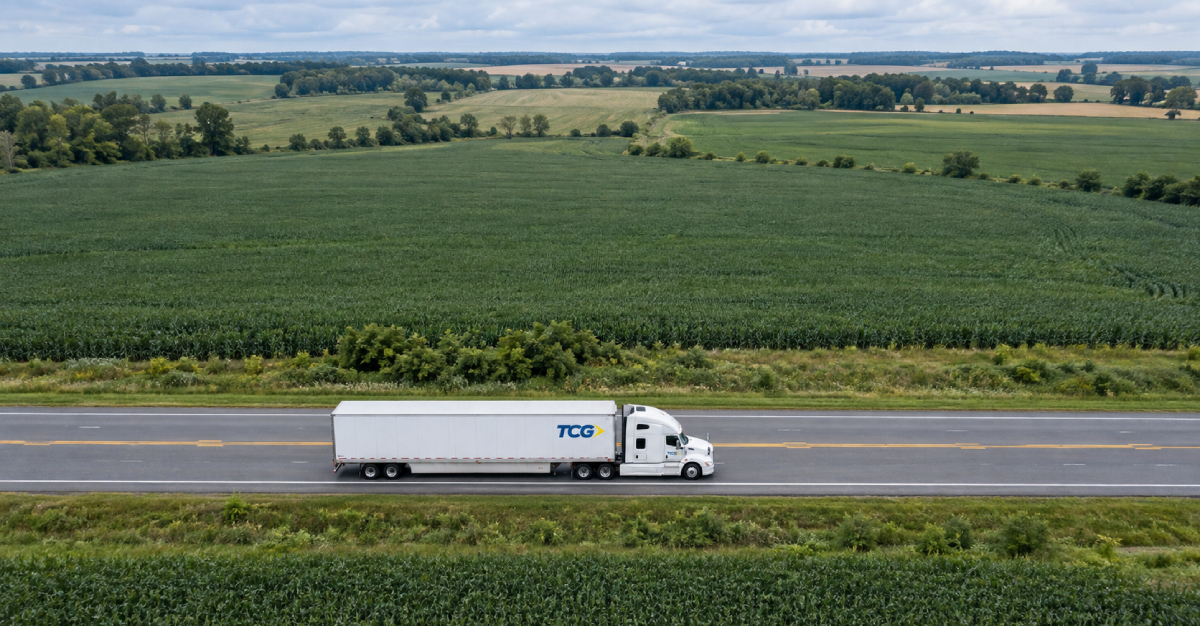
High Diesel, Driver Restrictions Continue to Impact Trucking
High diesel costs, tighter driver restrictions, and shrinking capacity are reshaping trucking. See what shippers should expect heading into peak season.

Market Forces Pushing Freight Rates North
Freight rates are climbing as fuel costs rise and capacity tightens. Explore the latest truckload, LTL, and regulatory trends shaping the freight market.
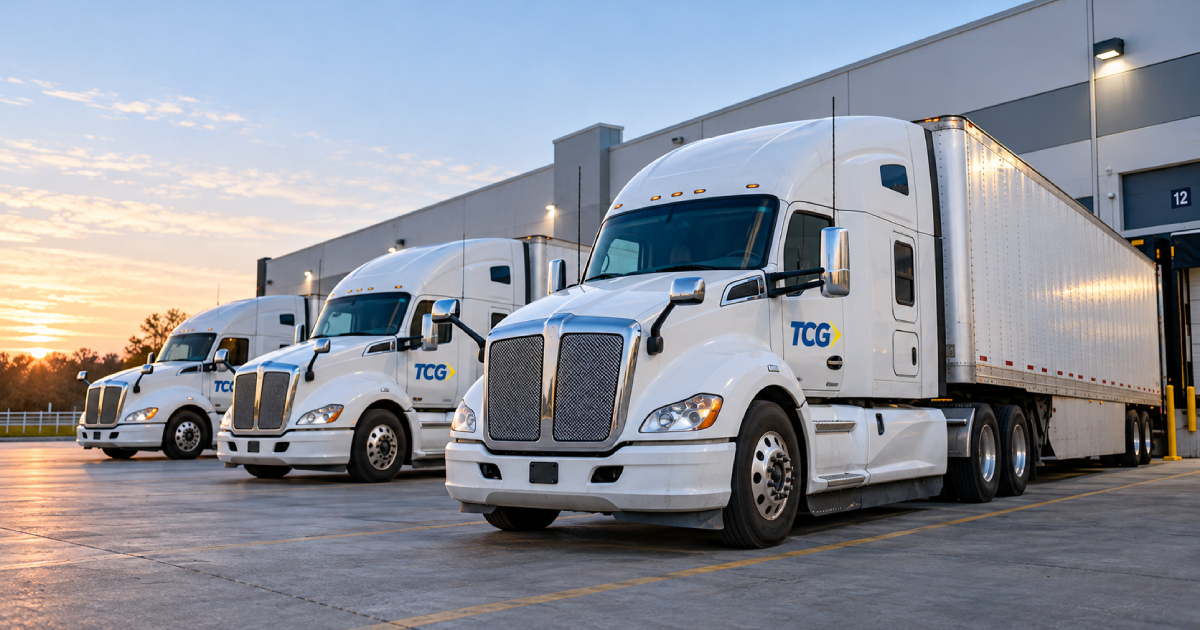
Dedicated Trucking Services: What “Dedicated” Should Mean in 2026
Explore how dedicated trucking services work, when it makes sense, what to include in a contract, and how to balance reliability with flexibility.
Regulatory Environment Hitting Reliability of Capacity
Trucking capacity is tightening as regulations, driver shortages, and fuel costs pressure carriers. See what shippers are facing in the back half of 2026.
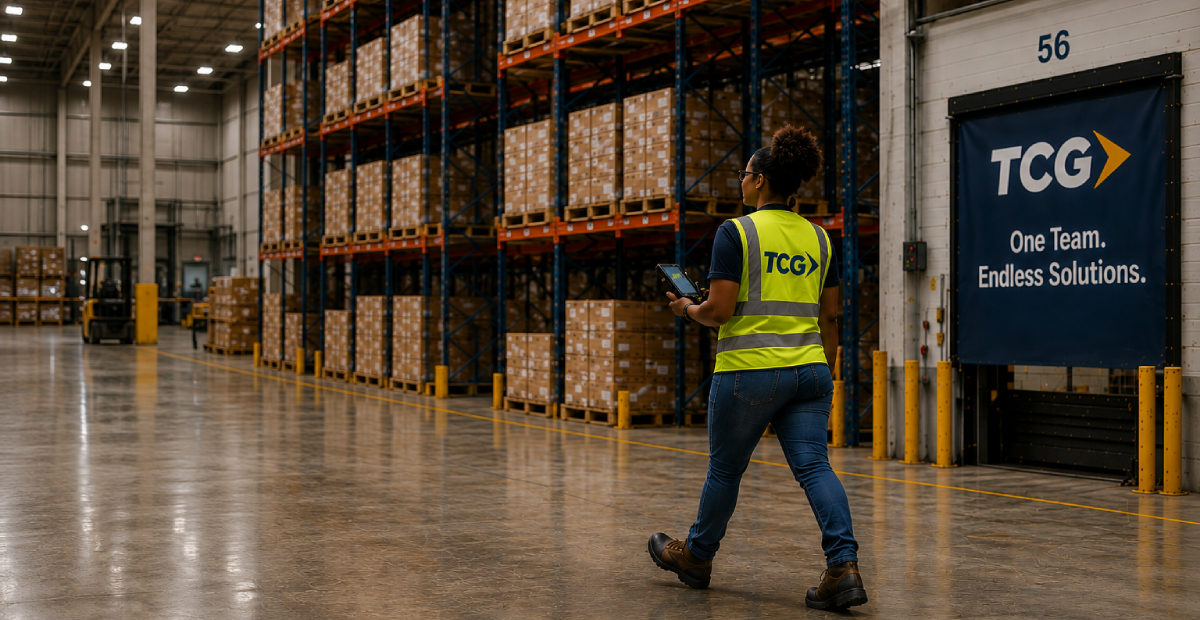
Third-Party Warehousing Companies: How to Compare Multi-Site Providers
Learn how to rank third-party warehousing companies by network footprint, transportation integration, technology, scalability, and supply chain fit.
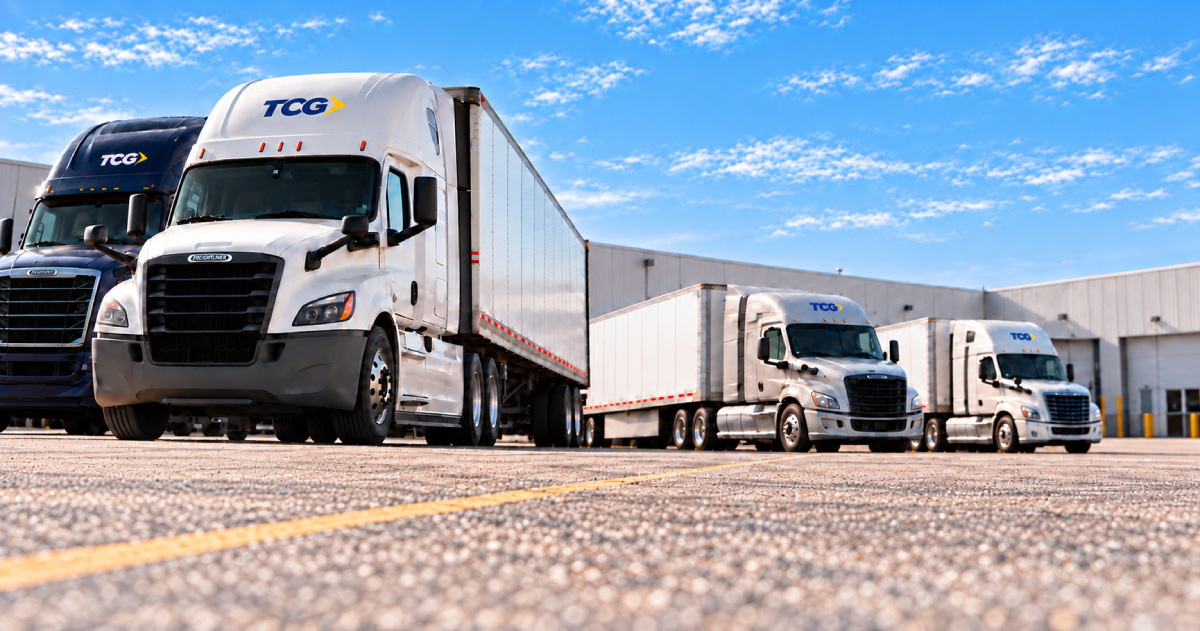
Asset-Based Carrier vs. Broker: Which One Actually Moves Your Freight?
Learn how an asset-based carrier compares with a freight broker, when each delivers the most value, and why many shippers benefit from both.
Cross-Border Trucking Seeing Impact of Tariffs
Tariff changes are reshaping North American freight flows, affecting cross-border trucking demand, capacity, trade lanes, and shipping strategies.
When Does a Company Actually Need Dedicated Trucking?
Dedicated trucking has the most value when predictable freight, demanding service requirements, and the consequences of failure justify the commitment.
Trucking Capacity Tightens, Spot Rates Up, and a Data Center Boost
Trucking capacity is tight, demand remains uneven, rates rise, tender rejections bump up, and post-Montgomery is a daunting prospect for smaller carriers.
Let’s Hear It for Truck Drivers: The Men and Women We All Rely On
Truck drivers connect manufacturers with distributors, farms with grocers, and warehouses with retailers. That contribution deserves recognition.

Freight Brokerage, Asset-Light, Asset-Based: How to Know When to Use What
Learn how freight brokerage compares with asset-light and asset-based transportation, and when each model — or combination — makes the most sense for you.
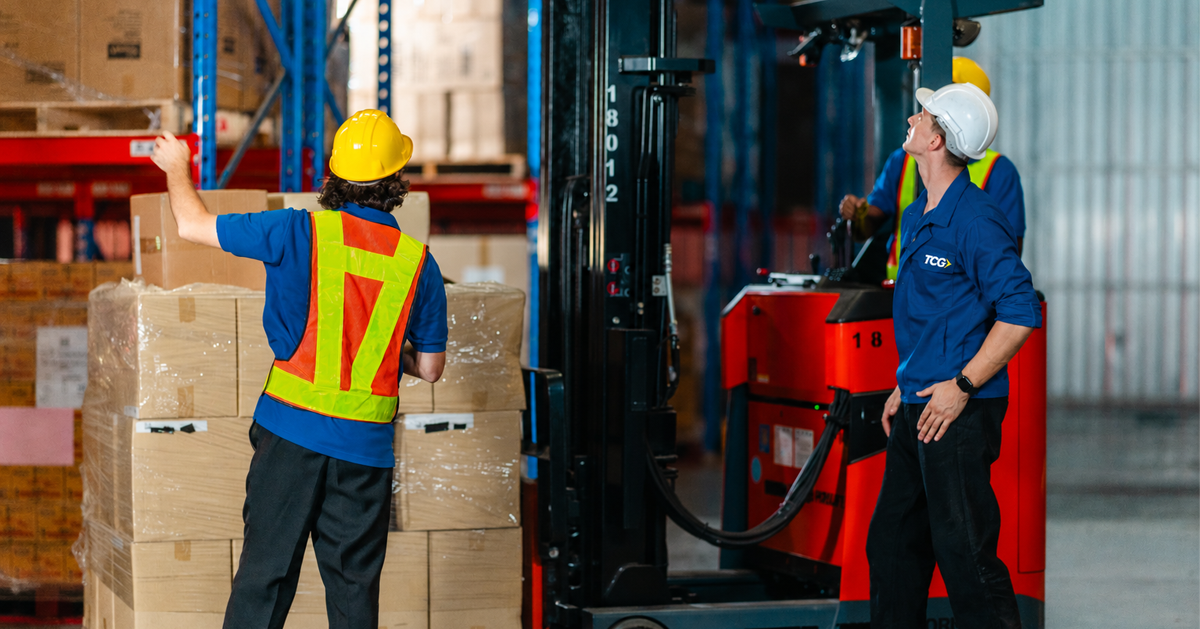
What Is Third-Party Warehousing? A 2026 Guide for Manufacturers and Distributors
Modern third-party warehousing is about much more than putting pallets on racks. A 3PL may handle a range of value-added services.

Freight Market on the Upswing: CSCMP Report
CSCMP says the freight market recovery is underway as truck capacity tightens, LTL demand grows, and supply chain volatility becomes the new normal.
Ten Transportation Companies, One Name: Introducing TCG
(TCG) bring(s) a 40-year legacy of service excellence across warehousing, multi-mode trucking, and supply chain … Our 10 brands sit under a single operating model, giving you what most mid-market t…
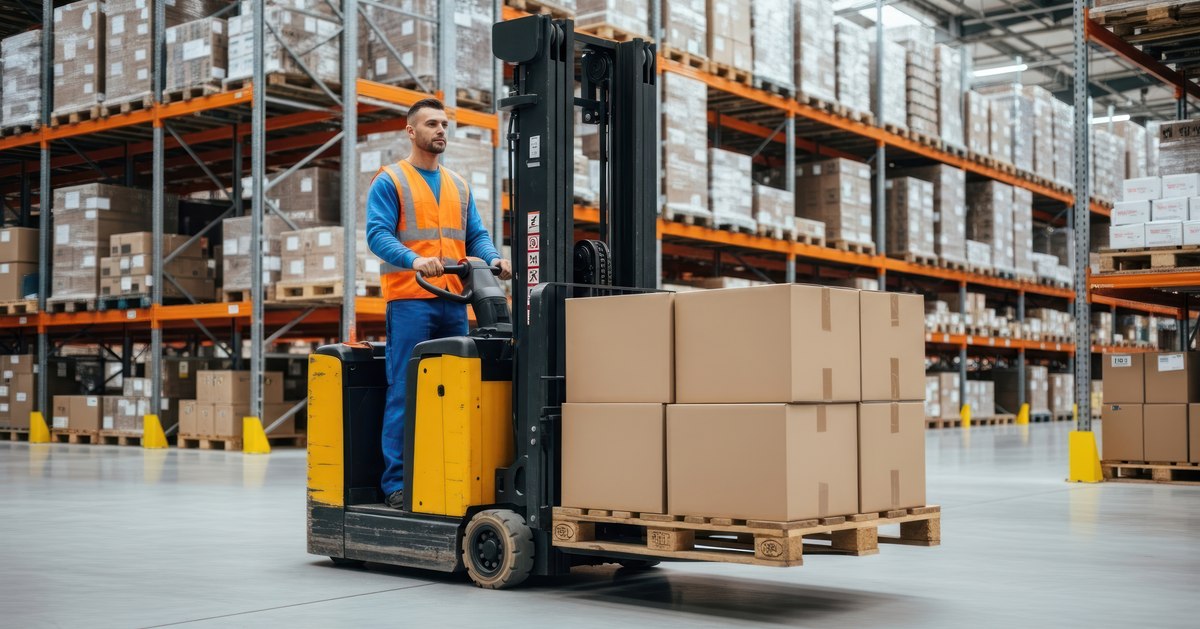
What Is a Third-Party Logistics Provider? A Plain-English Guide for 2026
What is third-party logistics? Learn how 3PLs help shippers manage freight, warehousing, capacity, and supply chain growth in 2026.

Why a $700M Logistics Company Hired Its First Salesperson This Year
For nearly 40 years, we didn’t have a sales department because we never built the company around selling; we built it around relationships. That’s a subtle distinction, but I think it’s an importan…
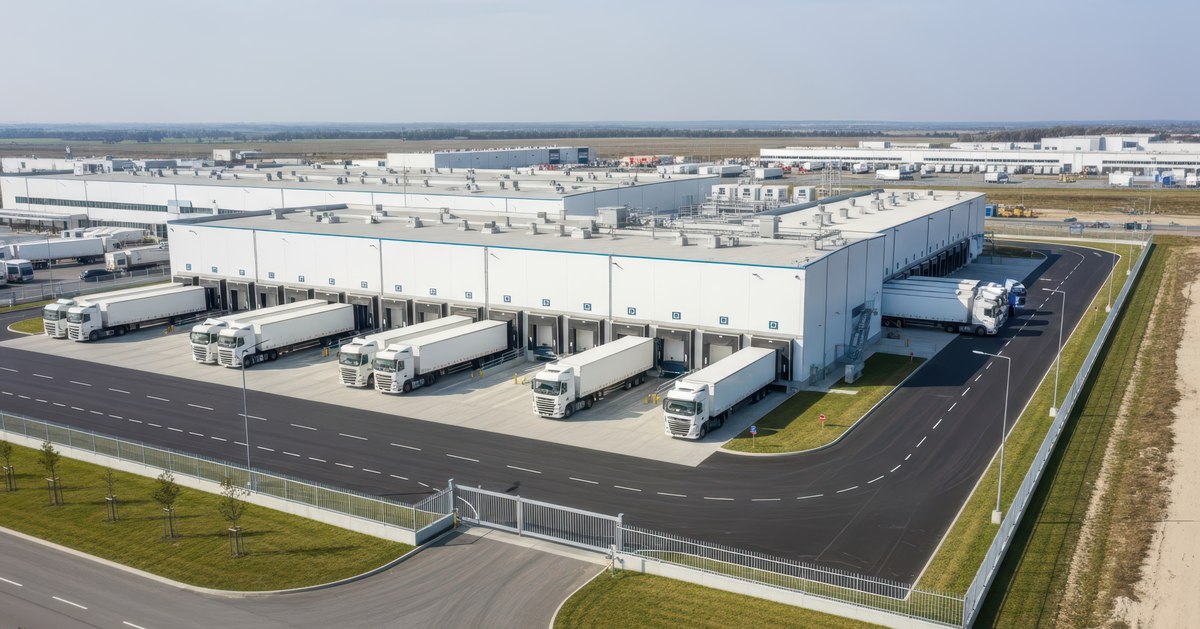
How to Consolidate 10 Logistics Vendors Down to Two (Without Losing Service)
Vendor consolidation is happening across nearly every industry. Procurement organizations are under constant pressure to reduce complexity while improving operational performance. And transportatio…

Best 3PL Providers in 2026: How Mid-Market Shippers Should Actually Compare
In 2026, selecting among the top third-party logistics companies requires looking beyond size and evaluating practical considerations like transportation assets, brokerage capabilities, geographic…
3PL Pricing in 2026: What Storage and Transportation Actually Cost
The term 3PL covers a broad range of logistics services rather than a single product. Every shipper selects a different combination depending on its business model and customer requirements.

Midwest 3PL: Why Your Distribution Hub Should Sit Where TCG Operates
When manufacturers and distributors evaluate where to position inventory, one question sits at the center of every network design: How can we reach the greatest number of customers quickly and cost…