
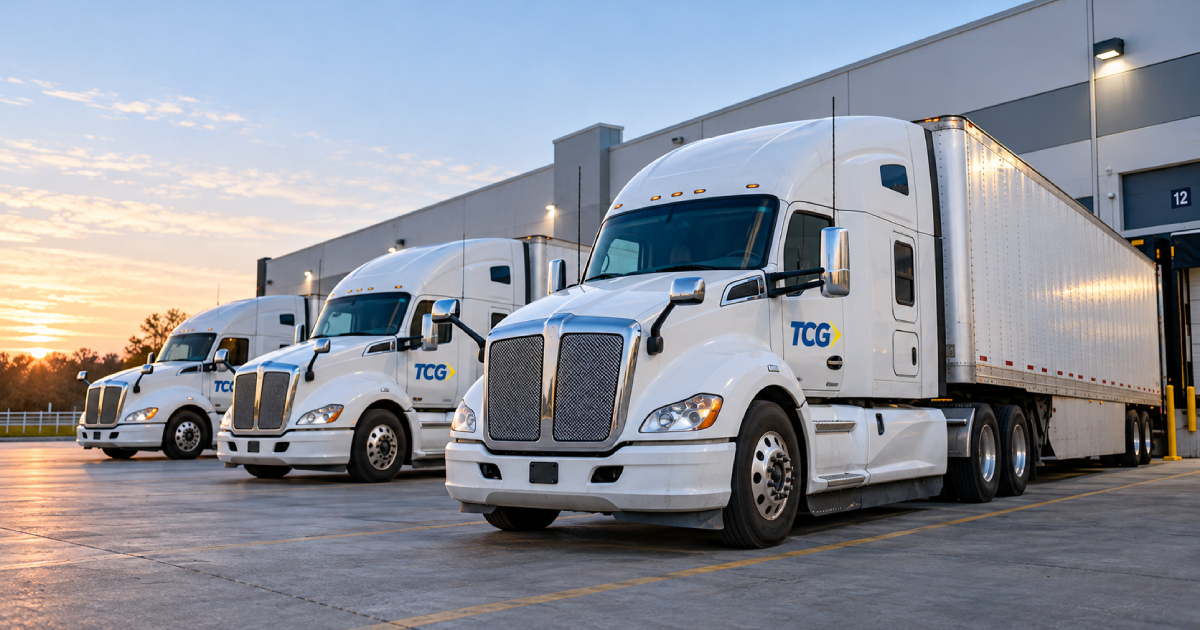
Dedicated Trucking Services: What “Dedicated” Should Mean in 2026
subscribe
Join the TCG mailing list for industry news, capacity updates, and guidance from across the network. One email at a time, no noise.
Dedicated trucking services can give shippers more control over recurring freight movements, equipment availability, and delivery schedules. However, the term can describe different operating arrangements, and the distinction matters when evaluating capacity commitments.
Dedicated trucking can be arranged through a brokerage or directly through an asset-based carrier; the latter may assign equipment and drivers to suit a shipper’s requirements. In either case, the commitment depends on the agreement and operating model.
For supply chain leaders evaluating transportation options in 2026, the central questions are the same: What resources are committed, how will the operation be managed, and what happens when the plan changes?
What Dedicated Trucking Services Should Include
A dedicated arrangement should establish a clear commitment to meet an agreed set of transportation requirements. Four components are particularly important.
Committed capacity: identifies capacity allocated to the account, when trucks will be available, and how competing demands will be handled. Shippers should understand whether resources are exclusive, shared, or assigned according to defined priorities.
Driver and equipment planning: The provider should develop a coverage plan based on equipment requirements, pickup windows, delivery schedules, and operating hours. Driver coverage and equipment availability supports the agreed service levels.
Defined operating requirements: Recurring lanes, shipment volumes, loading procedures, appointment windows, and delivery expectations help establish realistic performance targets and resource requirements.
Account-level management: Dispatch coordination, communication protocols, escalation procedures, and performance reviews connect the plan to daily execution. Shippers should know who manages the operation and who takes responsibility when a shipment is at risk.
Dedicated does not automatically mean a truck and driver will serve only one shipper under every arrangement. The degree of exclusivity depends on the contract and operating design. The value comes from knowing what capacity is available and how the provider will deliver what was agreed to.
When Dedicated Capacity Makes Business Sense
Dedicated trucking services work best with freight that moves regularly enough to support a planned allocation of resources. Manufacturers moving goods between plants, distribution centers replenishing retail locations, and businesses delivering recurring customer shipments benefit from consistent capacity and established schedules.
The case becomes stronger when equipment availability, appointment compliance, or delivery reliability directly affects production and distribution. When exceptions occur — a missed pickup, a late delivery, etc. — the operating cost of unreliable transportation outweighs the savings of sourcing capacity load by load. A tight capacity market is another plus in its favor.
Dedicated capacity also makes sense when a shipper requires specialized equipment or predictable coverage during defined operating hours. Other freight patterns may be better served by the spot market or brokerage. Businesses with highly variable volumes, frequently changing lanes, or uncertain demand may benefit from greater flexibility.
The decision comes down to the relationship between freight consistency and the cost of committing resources. Shippers should compare the cost of a dedicated arrangement with total transportation spend, the work required to secure individual loads, and the consequences of service failures.
Start with the freight pattern and the cost of service disruptions, then determine whether dedicated capacity fits.
Questions to Ask Before Signing a Dedicated Contract
A dedicated proposal should explain how the operation will perform under normal conditions and how the provider will respond when the plan changes.
Capacity and coverage
How many trucks are committed, during which operating hours, and what driver and equipment availability are included? How will backup capacity be supplied during equipment breakdowns, driver absences, or other disruptions? Are resources exclusive or shared, and what priorities apply when multiple customers need capacity?
Volume and flexibility
Understand the shipment volume and utilization assumptions behind the proposal. What happens during seasonal peaks? How will the provider respond if volumes decline, production increases, or new delivery locations enter the network?
The agreement should establish how much notice is required to change routes or schedules, and how those changes affect costs.
Service accountability
Identify the performance measures that will be tracked, such as on-time pickup and delivery, appointment compliance, and equipment availability.
Define who communicates with the shipper when a load is at risk, who coordinates corrective action, and how frequently both parties will review results.
A well-structured agreement makes operating assumptions visible before the first shipment moves. Unclear volume commitments and undefined exceptions create disputes when actual shipping conditions differ from the forecast.
Dedicated Does Not Eliminate the Need for Flexibility
A dedicated fleet can improve predictability, but it cannot eliminate variability. Shipment volumes change, equipment requires maintenance, and delivery appointments move. Shippers may also need capacity for lanes or equipment types outside the dedicated operation’s original scope. The operating plan should address these situations in advance.
When demand exceeds planned capacity, the provider may arrange backup equipment, draw on other available fleet resources, or coordinate supplemental transportation through brokerage. Each option has different implications for availability, cost, and service consistency.
Agree on how exceptions are approved, who communicates changes, and which party is responsible for additional costs. You also need to establish realistic expectations for how quickly supplemental capacity can be secured.
This is where dedicated trucking and brokerage can complement each other. Dedicated capacity handles recurring transportation requirements, while brokerage can address overflow, variable demand, and freight outside the core operation. The objective is to establish a practical response to exceptions without compromising the original service commitment.
How to Measure a Dedicated Trucking Operation
Beyond the contracted rate, shippers need to measure if the operation is delivering the service and capacity that justified the commitment.
Four performance areas provide a useful starting point:
- Service: On-time pickups and deliveries and appointment compliance.
- Capacity: Equipment availability, coverage reliability, and unmet transportation requirements.
- Cost: Total transportation spend, accessorial charges, and supplemental capacity expenses.
- Execution: Communication, responsiveness to disruptions, and resolution of recurring service problems.
Establish a baseline before launch and agree on performance targets that reflect the freight’s operating requirements. A network supporting production-critical deliveries will prioritize reliability differently from one handling other kinds of freight.
Regular reviews should examine trends rather than isolated results. Repeated missed appointments, frequent supplemental loads, or persistent equipment shortages indicate that the original operating plan needs adjustment.
Performance measurement should show whether the dedicated model continues to meet the business need that justified the commitment.
Where a 3PL Fits Into Dedicated Trucking
A 3PL can help coordinate dedicated capacity with the rest of a shipper’s transportation network. This is particularly useful when recurring freight follows predictable patterns but overall demand still fluctuates.
The 3PL can also coordinate dedicated operations around core lanes, arrange brokerage capacity for additional shipments, and align transportation decisions with network requirements. Shippers should understand which resources the 3PL manages directly, which services involve other carriers, and who is accountable for execution.
The operating model should reflect how freight actually moves through the business. Dedicated capacity can cover recurring requirements, while other transportation options provide flexibility where fixed resource commitments are less practical.
Evaluate the Operation, Not the Label
Dedicated trucking services can provide dependable capacity and consistent execution when the freight pattern supports a defined commitment. Results depend on the resources allocated, the operating plan, the process for managing exceptions, and the measures used to evaluate performance.
TCG, a provider of reliable transportation services for more than 40 years, helps shippers coordinate capacity across their networks, including dedicated and brokerage solutions. By evaluating recurring lanes, volume expectations, and service priorities, we can help you determine when a dedicated arrangement makes sense. We can also craft a blended approach that combines different service types. Contact TCG today to discuss your capacity requirements and broader transportation network.
Fill out the form and the right TCG team will reach out.

High Diesel, Driver Restrictions Continue to Impact Trucking
High diesel costs, tighter driver restrictions, and shrinking capacity are reshaping trucking. See what shippers should expect heading into peak season.

Market Forces Pushing Freight Rates North
Freight rates are climbing as fuel costs rise and capacity tightens. Explore the latest truckload, LTL, and regulatory trends shaping the freight market.
Regulatory Environment Hitting Reliability of Capacity
Trucking capacity is tightening as regulations, driver shortages, and fuel costs pressure carriers. See what shippers are facing in the back half of 2026.

Third-Party Warehousing Companies: How to Compare Multi-Site Providers
Learn how to rank third-party warehousing companies by network footprint, transportation integration, technology, scalability, and supply chain fit.

Asset-Based Carrier vs. Broker: Which One Actually Moves Your Freight?
Learn how an asset-based carrier compares with a freight broker, when each delivers the most value, and why many shippers benefit from both.

Cross-Border Trucking Seeing Impact of Tariffs
Tariff changes are reshaping North American freight flows, affecting cross-border trucking demand, capacity, trade lanes, and shipping strategies.
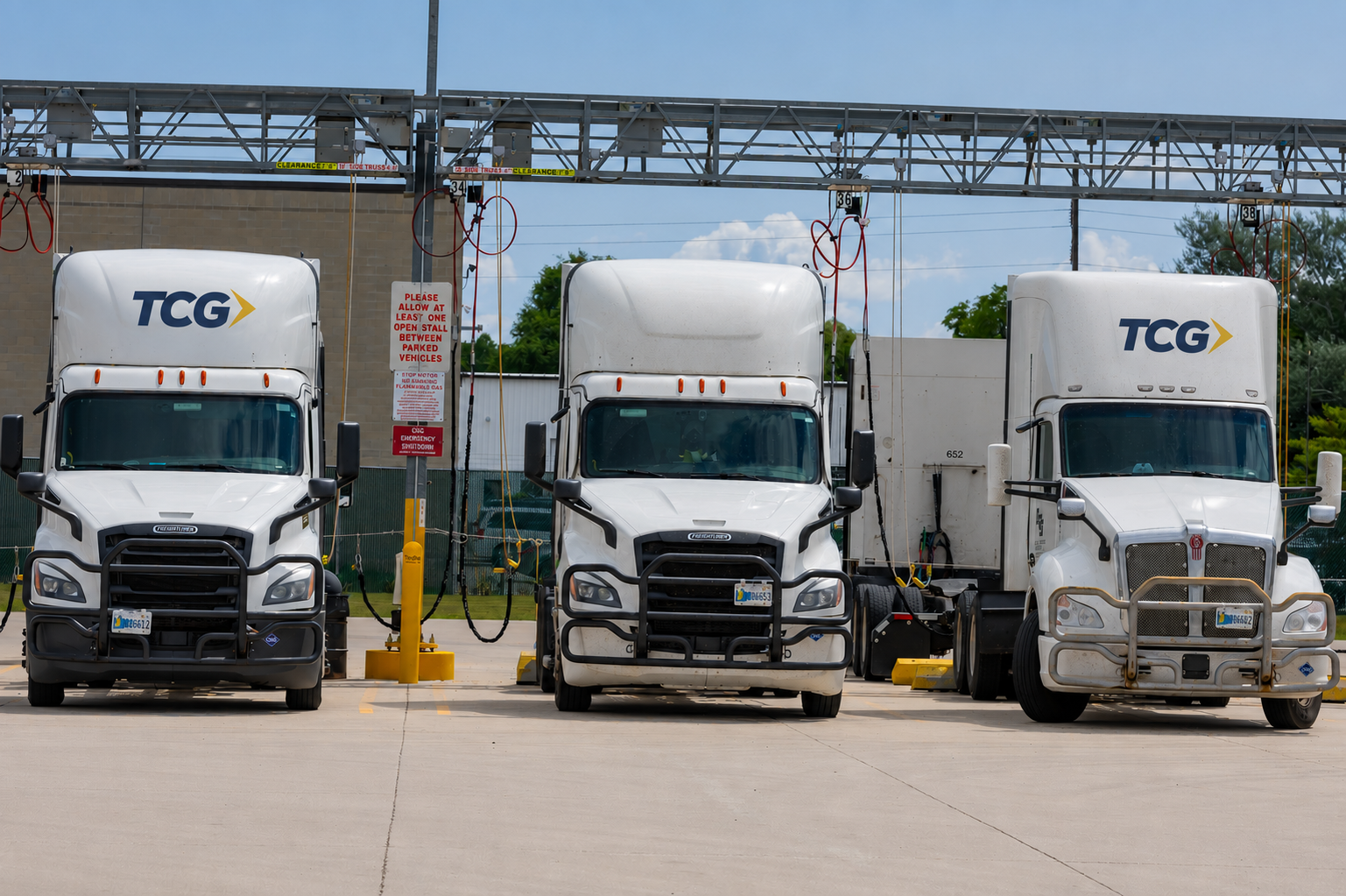
When Does a Company Actually Need Dedicated Trucking?
Dedicated trucking has the most value when predictable freight, demanding service requirements, and the consequences of failure justify the commitment.
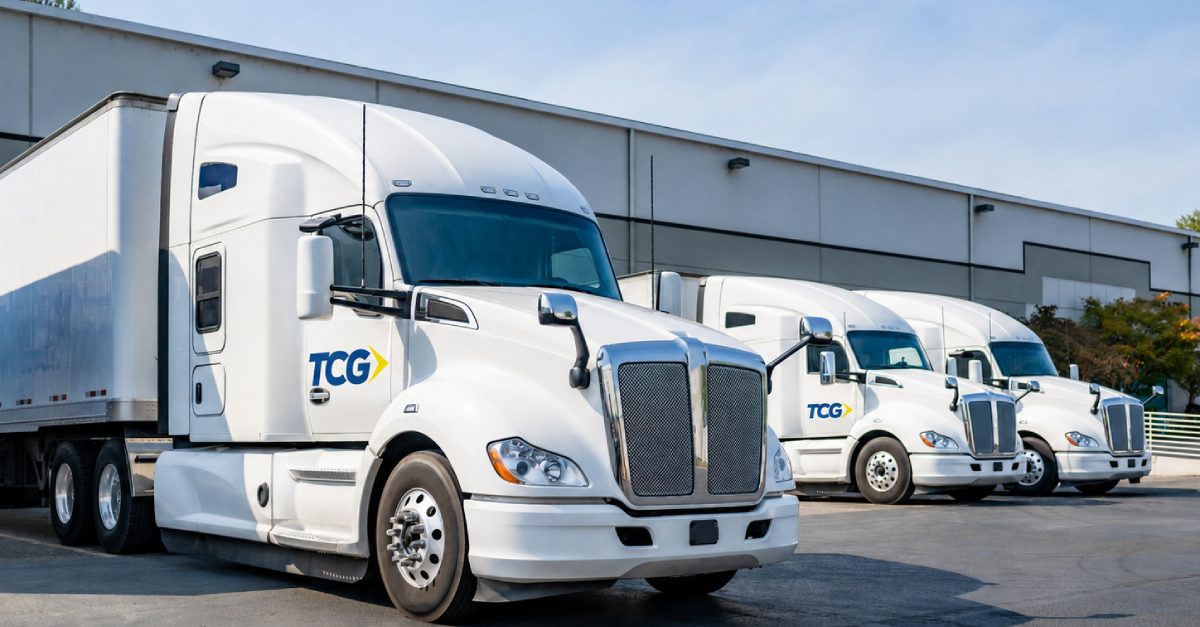
Trucking Capacity Tightens, Spot Rates Up, and a Data Center Boost
Trucking capacity is tight, demand remains uneven, rates rise, tender rejections bump up, and post-Montgomery is a daunting prospect for smaller carriers.

Let’s Hear It for Truck Drivers: The Men and Women We All Rely On
Truck drivers connect manufacturers with distributors, farms with grocers, and warehouses with retailers. That contribution deserves recognition.

Freight Brokerage, Asset-Light, Asset-Based: How to Know When to Use What
Learn how freight brokerage compares with asset-light and asset-based transportation, and when each model — or combination — makes the most sense for you.
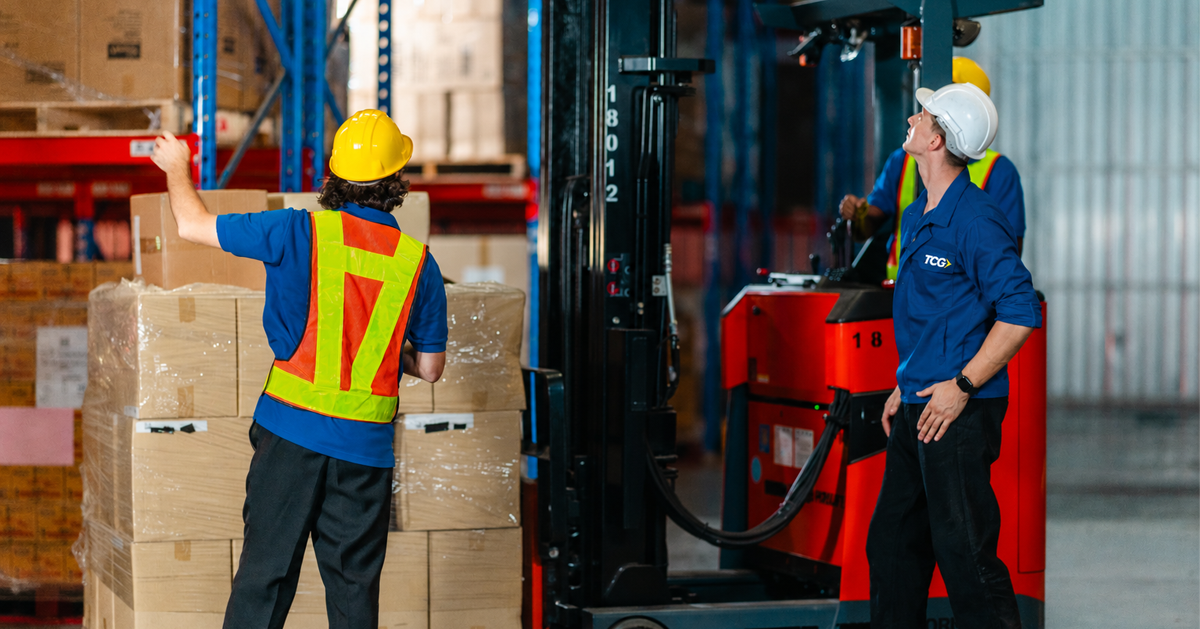
What Is Third-Party Warehousing? A 2026 Guide for Manufacturers and Distributors
Modern third-party warehousing is about much more than putting pallets on racks. A 3PL may handle a range of value-added services.

Customer Expectations Rise for AI in Logistics
Explore the latest AI in logistics trends, from autonomous supply chains and last-mile delivery to yard management and shipper expectations.

Freight Market on the Upswing: CSCMP Report
CSCMP says the freight market recovery is underway as truck capacity tightens, LTL demand grows, and supply chain volatility becomes the new normal.

Ten Transportation Companies, One Name: Introducing TCG
(TCG) bring(s) a 40-year legacy of service excellence across warehousing, multi-mode trucking, and supply chain … Our 10 brands sit under a single operating model, giving you what most mid-market t…

What Is a Third-Party Logistics Provider? A Plain-English Guide for 2026
What is third-party logistics? Learn how 3PLs help shippers manage freight, warehousing, capacity, and supply chain growth in 2026.

Why a $700M Logistics Company Hired Its First Salesperson This Year
For nearly 40 years, we didn’t have a sales department because we never built the company around selling; we built it around relationships. That’s a subtle distinction, but I think it’s an importan…
How to Consolidate 10 Logistics Vendors Down to Two (Without Losing Service)
Vendor consolidation is happening across nearly every industry. Procurement organizations are under constant pressure to reduce complexity while improving operational performance. And transportatio…

Best 3PL Providers in 2026: How Mid-Market Shippers Should Actually Compare
In 2026, selecting among the top third-party logistics companies requires looking beyond size and evaluating practical considerations like transportation assets, brokerage capabilities, geographic…

3PL Pricing in 2026: What Storage and Transportation Actually Cost
The term 3PL covers a broad range of logistics services rather than a single product. Every shipper selects a different combination depending on its business model and customer requirements.

Midwest 3PL: Why Your Distribution Hub Should Sit Where TCG Operates
When manufacturers and distributors evaluate where to position inventory, one question sits at the center of every network design: How can we reach the greatest number of customers quickly and cost…