
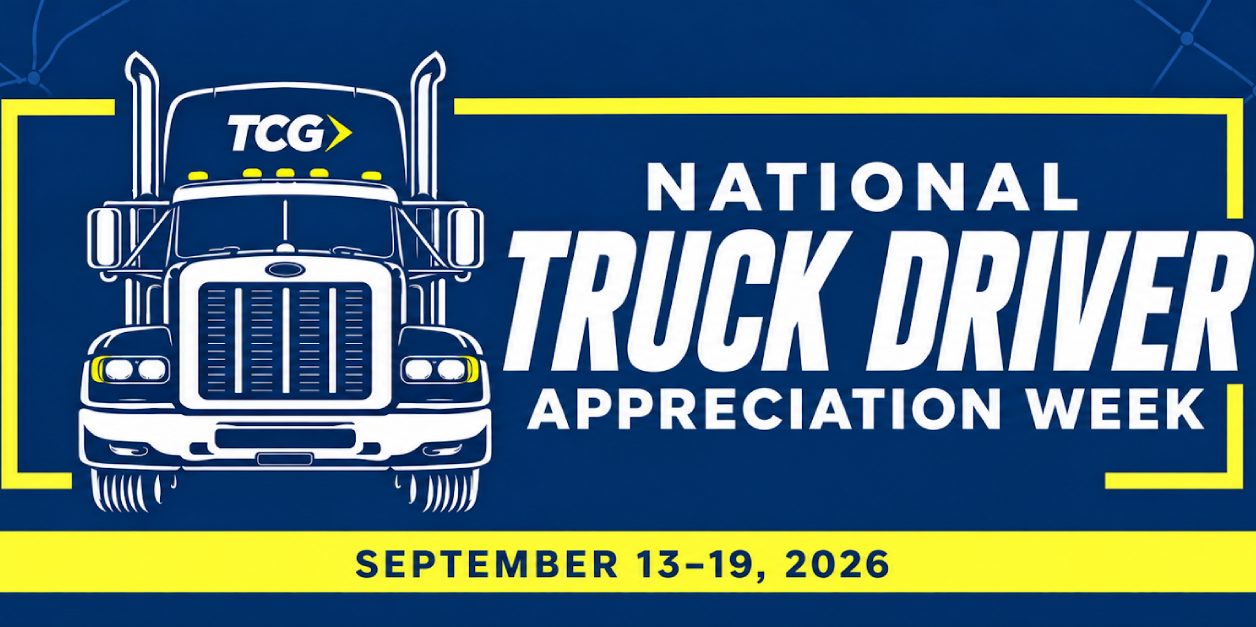
Let’s Hear It for Truck Drivers: The Men and Women We All Rely On
subscribe
Join the TCG mailing list for industry news, capacity updates, and guidance from across the network. One email at a time, no noise.
We take it for granted that the things we need, whether everyday items on a supermarket shelf or a major purchase like a new sofa, will just show up when expected.
Consider that without truck drivers, all of that suddenly goes away. Nothing stocked in the produce aisle. No cardboard box of dog food on the front porch. And no replenishment shipment of back-to-school items at the warehouse.
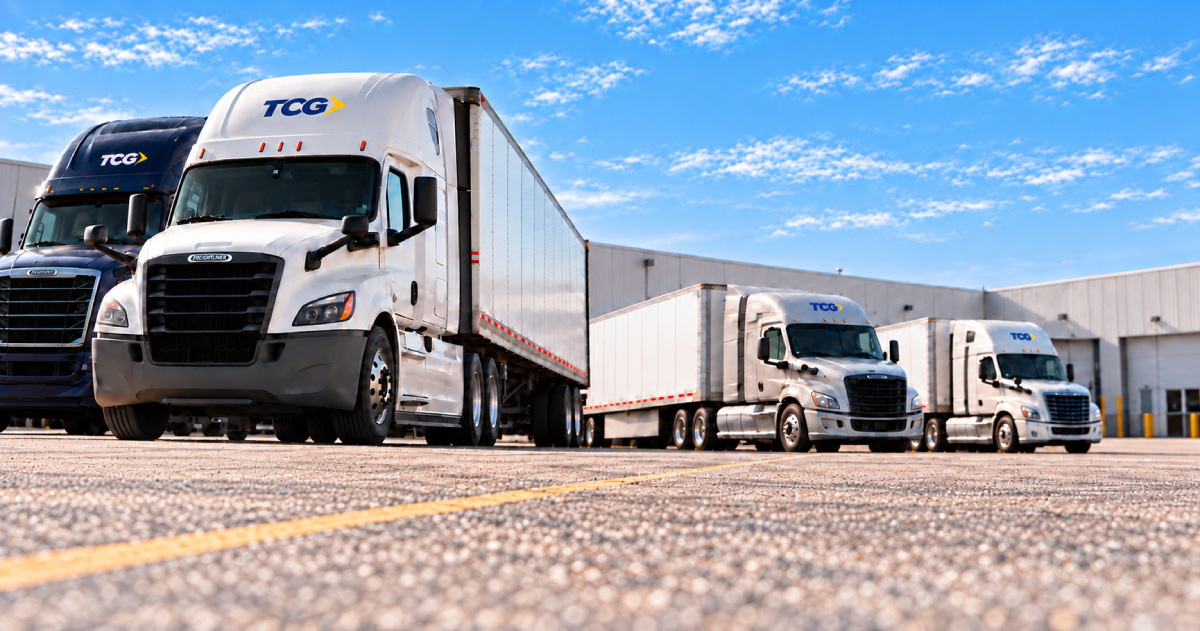
Most of us barely notice them unless we’re stuck behind one in traffic. But those trucks and drivers are responsible for moving an enormous share of products Americans rely on every day.
Professional truck drivers connect manufacturers with distributors, farms with grocers, warehouses with retailers, and businesses with materials and supplies. That contribution deserves more recognition than it often receives.
Trucking Keeps the Economy Moving
Trucks move more than 70% of the nation’s freight by weight, making trucking indispensable to virtually every sector of the economy. Behind that statistic is millions of individual trips and hours spent on the road. Drivers navigate congested highways, winter weather, construction zones, and demanding delivery schedules.
For businesses, a delayed shipment can mean a missed production schedule, an empty retail shelf, or a customer promise broken.
Put another way, the trucking industry’s importance isn’t measured in miles driven or tons hauled, but by everything that can happen because the freight arrived.
The Job Demands More Than Driving
It is easy to reduce trucking to simply point A to point B, but the reality is considerably more demanding.
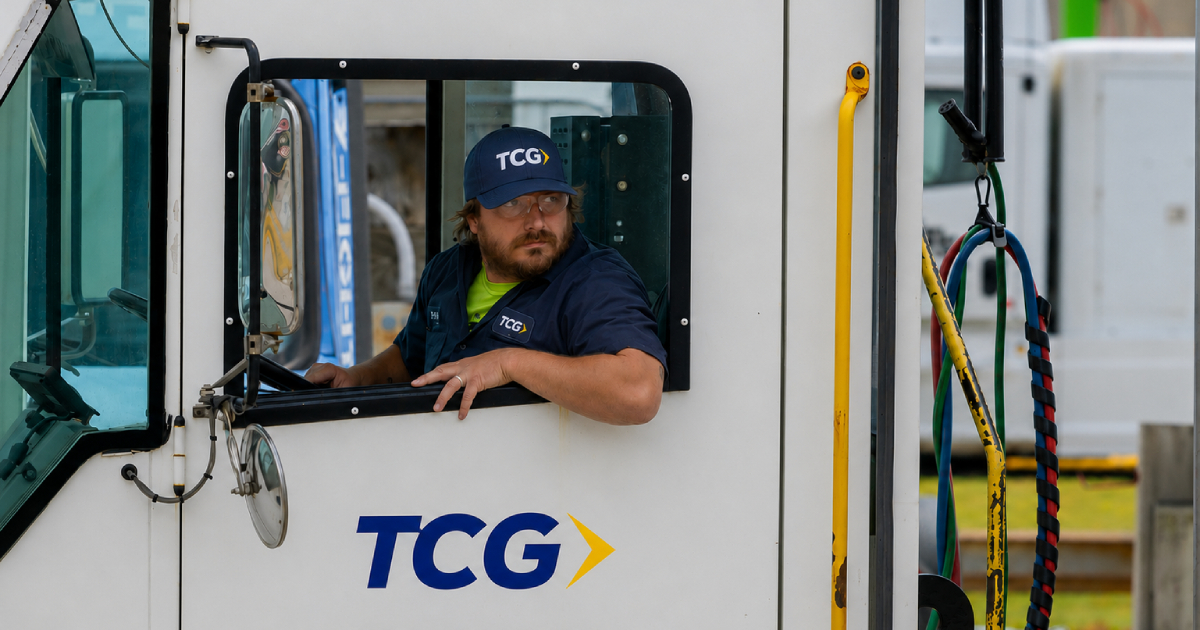
Professional drivers spend long periods away from home. They work irregular schedules and deal with weather, traffic, and changing road conditions. They must comply with detailed safety requirements while managing tight appointment windows plus loading docks, distribution centers, and customer facilities.
The job also requires patience. A driver can do everything right and still encounter a traffic jam, a delayed loading, or an unexpected glitch that pushes a schedule off course.
While technology has improved navigation, communication, and shipment visibility, it has not eliminated the human element. Someone still has to safely guide a truck down the highway and deliver the freight.
Truck Drivers Show Up When the Country Needs Them
The importance of professional drivers becomes especially obvious when normal transportation networks are disrupted. During COVID-19, when much of the economy shut down, drivers kept on truckin’. They delivered food, medical supplies, household necessities, and industrial materials while much of the country stayed home.
The same pattern appears after natural disasters. Hurricanes, floods, tornadoes, wildfires, and other emergencies can destroy infrastructure and disrupt normal supply chains. Trucks can often adapt routes and deliver critical supplies directly into affected areas when other transportation options are constrained.
Drivers don’t necessarily receive headlines for that work. They simply get back on the road and make the next delivery.
A Career That Connects Everyone
Virtually everyone interacts with the trucking industry, whether they realize it or not. The food in a grocery store, the furniture in a home, the machinery in a factory, and the materials used to build a new office or house have likely spent at least part of their journey on a truck.
That makes professional drivers an essential part of the broader supply chain — and of everyday life.
It also means that the next time traffic slows because a truck is climbing a hill or maneuvering through a tight interchange, remember what that truck represents. The driver is doing a job that allows thousands of other businesses and people to do theirs.
A Simple Thank You Goes a Long Way
National Truck Driver Appreciation Week (September 13-19, 2026) provides an annual opportunity to recognize the people behind the wheel, but it doesn’t have to be limited to one week in September. It can be a thank you at a loading dock or a bit more patience on the road, giving a trucker space to merge. Even acknowledging a driver with a wave can make a difference during a long day on the road.
Professional truck drivers cover an extraordinary amount of ground to keep the rest of the country moving. They sacrifice time away from family, work through difficult conditions, and carry a responsibility that affects businesses and communities across the country. So this National Truck Driver Appreciation Week, and throughout the year, let’s recognize the people behind the freight.
The next time you see a professional driver, remember that you’re looking at someone doing a job the rest of us depend on. Give them a little patience and a little room. And when you can, a simple thank you.
Fill out the form and the right TCG team will reach out.
High Diesel, Driver Restrictions Continue to Impact Trucking
High diesel costs, tighter driver restrictions, and shrinking capacity are reshaping trucking. See what shippers should expect heading into peak season.

Market Forces Pushing Freight Rates North
Freight rates are climbing as fuel costs rise and capacity tightens. Explore the latest truckload, LTL, and regulatory trends shaping the freight market.
Dedicated Trucking Services: What “Dedicated” Should Mean in 2026
Explore how dedicated trucking services work, when it makes sense, what to include in a contract, and how to balance reliability with flexibility.
Regulatory Environment Hitting Reliability of Capacity
Trucking capacity is tightening as regulations, driver shortages, and fuel costs pressure carriers. See what shippers are facing in the back half of 2026.
Third-Party Warehousing Companies: How to Compare Multi-Site Providers
Learn how to rank third-party warehousing companies by network footprint, transportation integration, technology, scalability, and supply chain fit.
Asset-Based Carrier vs. Broker: Which One Actually Moves Your Freight?
Learn how an asset-based carrier compares with a freight broker, when each delivers the most value, and why many shippers benefit from both.
Cross-Border Trucking Seeing Impact of Tariffs
Tariff changes are reshaping North American freight flows, affecting cross-border trucking demand, capacity, trade lanes, and shipping strategies.
When Does a Company Actually Need Dedicated Trucking?
Dedicated trucking has the most value when predictable freight, demanding service requirements, and the consequences of failure justify the commitment.
Trucking Capacity Tightens, Spot Rates Up, and a Data Center Boost
Trucking capacity is tight, demand remains uneven, rates rise, tender rejections bump up, and post-Montgomery is a daunting prospect for smaller carriers.

Freight Brokerage, Asset-Light, Asset-Based: How to Know When to Use What
Learn how freight brokerage compares with asset-light and asset-based transportation, and when each model — or combination — makes the most sense for you.
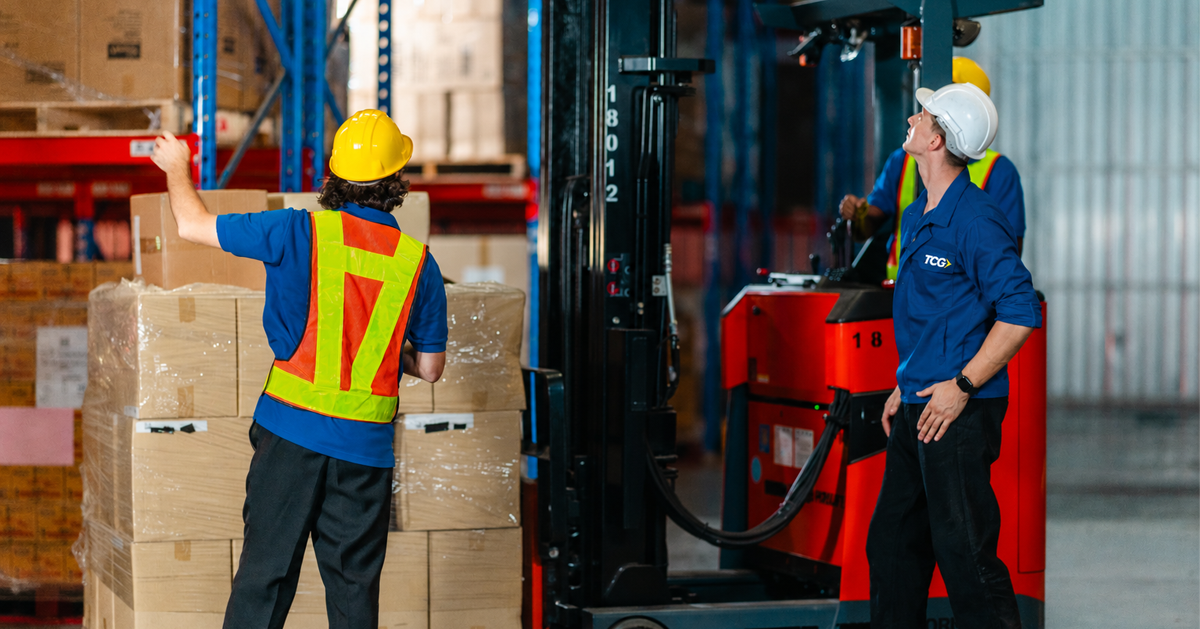
What Is Third-Party Warehousing? A 2026 Guide for Manufacturers and Distributors
Modern third-party warehousing is about much more than putting pallets on racks. A 3PL may handle a range of value-added services.

Customer Expectations Rise for AI in Logistics
Explore the latest AI in logistics trends, from autonomous supply chains and last-mile delivery to yard management and shipper expectations.

Freight Market on the Upswing: CSCMP Report
CSCMP says the freight market recovery is underway as truck capacity tightens, LTL demand grows, and supply chain volatility becomes the new normal.
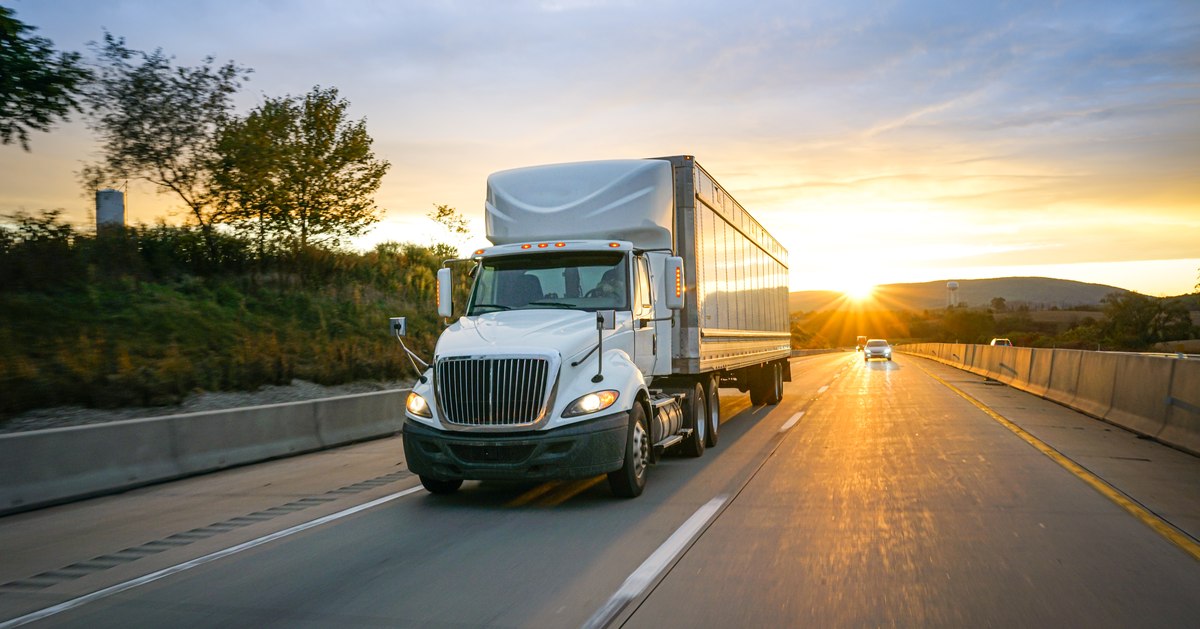
Ten Transportation Companies, One Name: Introducing TCG
(TCG) bring(s) a 40-year legacy of service excellence across warehousing, multi-mode trucking, and supply chain … Our 10 brands sit under a single operating model, giving you what most mid-market t…
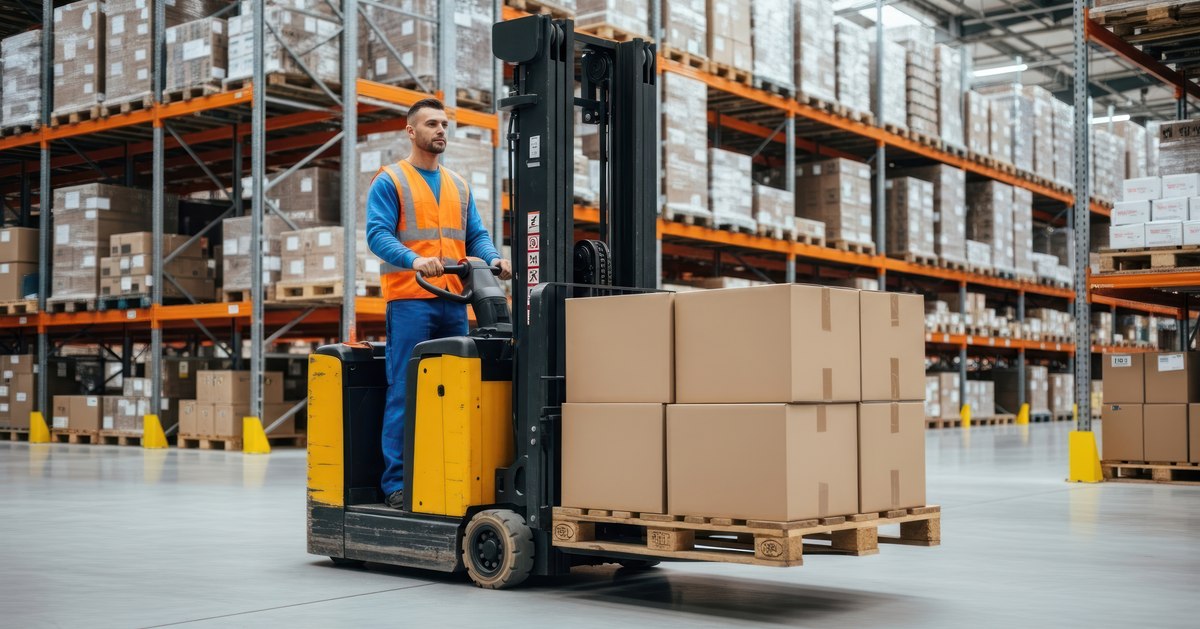
What Is a Third-Party Logistics Provider? A Plain-English Guide for 2026
What is third-party logistics? Learn how 3PLs help shippers manage freight, warehousing, capacity, and supply chain growth in 2026.

Why a $700M Logistics Company Hired Its First Salesperson This Year
For nearly 40 years, we didn’t have a sales department because we never built the company around selling; we built it around relationships. That’s a subtle distinction, but I think it’s an importan…
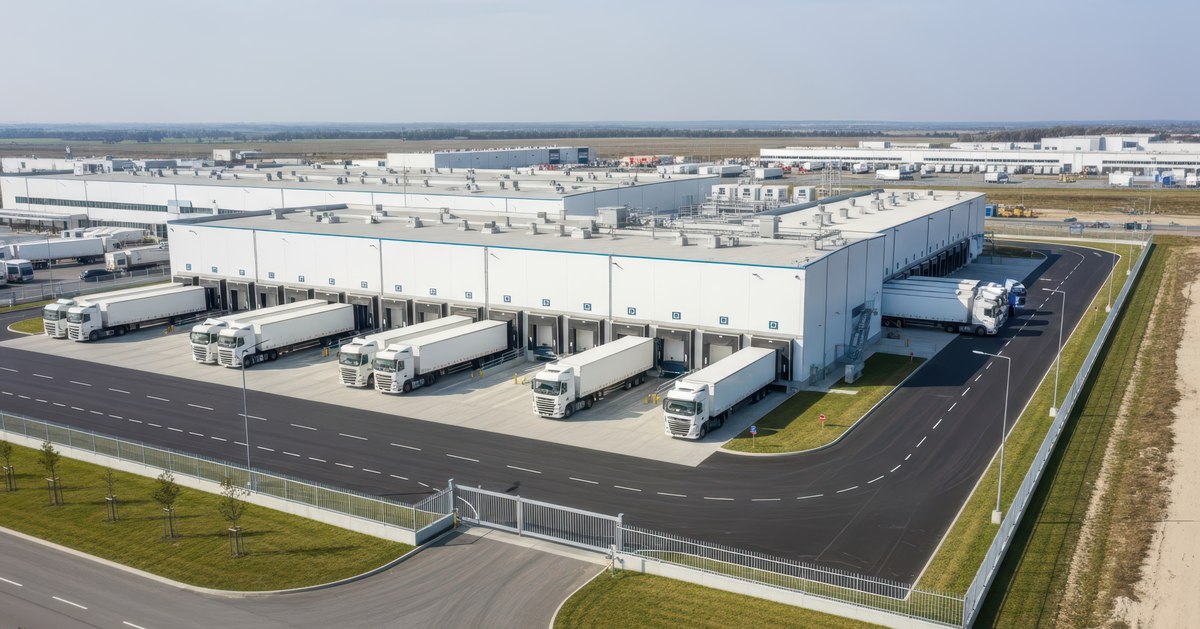
How to Consolidate 10 Logistics Vendors Down to Two (Without Losing Service)
Vendor consolidation is happening across nearly every industry. Procurement organizations are under constant pressure to reduce complexity while improving operational performance. And transportatio…

Best 3PL Providers in 2026: How Mid-Market Shippers Should Actually Compare
In 2026, selecting among the top third-party logistics companies requires looking beyond size and evaluating practical considerations like transportation assets, brokerage capabilities, geographic…
3PL Pricing in 2026: What Storage and Transportation Actually Cost
The term 3PL covers a broad range of logistics services rather than a single product. Every shipper selects a different combination depending on its business model and customer requirements.

Midwest 3PL: Why Your Distribution Hub Should Sit Where TCG Operates
When manufacturers and distributors evaluate where to position inventory, one question sits at the center of every network design: How can we reach the greatest number of customers quickly and cost…