

Dedicated Capacity vs. the Spot Market: The 2026 Trade-Off
subscribe
Join the TCG mailing list for industry news, capacity updates, and guidance from across the network. One email at a time, no noise.
By Barry Cox
When trucking capacity is readily available, it can be tempting to buy transportation one load at a time. A shipper posts a load, compares rates, books a truck, and moves on to the next shipment. That approach can work well when the market has plenty of available trucks and freight volumes are unpredictable.
Conditions become more complicated when capacity tightens. Finding a truck can take longer, rates can change quickly, and a shipment that needs to move on a specific day may become harder to cover. For supply chain leaders, the question is how much of their transportation capacity to secure in advance and how much flexibility to retain.
There is no single answer for every shipper or lane; each procurement model serves different purposes. The best transportation plan recognizes when dependable capacity matters most and when buying transportation as needed makes more sense.
When Does Dedicated Trucking Make More Sense Than the Spot Market?
Dedicated trucking is worth considering when a shipper has consistent freight moving on established lanes. If a facility ships the same routes every week, with recurring pickup and delivery schedules, those movements can provide a foundation for a more structured transportation arrangement.
The case becomes stronger when the freight requires specialized equipment or has operating requirements that make finding a suitable truck more difficult. Shipments tied to production schedules or customer delivery appointments may also warrant a greater commitment. A missed pickup can affect what happens next at a distribution center, manufacturing plant, or customer location.
Committing capacity in advance gives the shipper a more predictable transportation plan. Equipment and schedules can be aligned with the operation, and the provider has an opportunity to understand the freight requirements over time. That familiarity can make recurring shipments easier to manage.
There is an important distinction between dedicated service backed by an asset-based operation and capacity arranged through a third-party provider. When trucks and drivers are part of the provider’s own operation, the provider has more direct control over those resources. That control can be valuable when available capacity is scarce. Other transportation providers may also arrange dedicated service, but shippers should understand exactly what capacity is committed and how the provider will cover the freight.
The question shippers should ask is straightforward: What capacity can the provider actually commit, and who is responsible for covering the freight?
If a customer has shipments moving on the same lanes every week, it makes sense to explore a dependable arrangement rather than treating every load as a new purchase. The goal is to establish a plan that supports the customer’s operation and gives everyone a clearer understanding of what is expected.
Is the Spot Market Still the Cheaper Option for Variable Freight?
The spot market remains an important part of transportation planning. Many shippers have freight that does not move frequently enough to justify a dedicated commitment. Seasonal increases, promotional activity, unusual lanes, and unexpected orders can all create demand that falls outside the regular shipping schedule.
In October, for example, dry van spot rates for truckload freight were up over 46% from a year ago, according to DAT Freight & Analytics, with capacity tight, fuel high, and seasonal demand in force.
Buying transportation as needed gives a shipper flexibility. There is no need to pay for capacity that may sit unused during slower periods. When trucks are readily available, spot pricing can also be attractive.
The trade-off becomes more apparent when the market tightens. A rate that looked competitive when the load was first quoted may no longer be available when the shipment needs to move. The transportation team may have to spend additional time finding coverage or adjust pickup plans to accommodate available equipment. Those changes can affect the rest of the operation.
That is why the rate per load should be considered alongside the full cost of moving the freight. A low quote can lose its appeal if coverage falls through, a pickup is delayed, or employees have to spend hours finding another truck. The impact of a service failure may extend beyond the transportation department, particularly when a shipment supports a production schedule or a customer commitment.
This does not mean dedicated capacity is always less expensive. A shipper with inconsistent volume could end up paying for capacity it does not use. The economics depend on the lane, shipment frequency, equipment requirements, and how consistently the committed capacity can be utilized.
Flexibility has real value. So does knowing that a truck will be there when a customer needs it. Shippers should weigh both when deciding how to cover variable freight.
How Should Supply Chain Leaders Balance Dedicated Capacity and Spot Purchasing?
Most transportation networks need a combination of capacity arrangements. Choosing between dedicated capacity and spot purchasing for the entire network overlooks the differences among lanes and shipment patterns.
A useful starting point is to separate core freight from variable freight. Core freight consists of predictable, recurring shipments that may justify a dedicated arrangement. Variable freight includes irregular volume, seasonal surges, and loads that require access to available trucks as needs arise.
Dedicated capacity can provide a foundation for repeatable freight. Spot purchasing adds flexibility when volume changes or a shipment falls outside the established plan. The two approaches can work together, allowing a shipper to secure capacity where consistency matters while retaining options for less predictable requirements.
Before making commitments, supply chain leaders should review lane history, weekly shipment volumes, equipment needs, pickup windows, and service expectations. That information helps determine where a dedicated arrangement is practical and where spot purchasing is likely to be a better fit.
It is equally important to understand how a provider handles capacity shortfalls and changes in demand. What happens when shipment volume exceeds the original forecast? How will the provider cover a load if committed equipment becomes unavailable? Who communicates a change in pickup time or capacity? These questions should be addressed before a disruption occurs.
At TCG, we work with customers to understand their freight patterns and determine the transportation arrangements that make sense for their businesses. Our asset-based capabilities give customers access to trucks and drivers within our operation, providing more direct control over capacity where those resources are a good fit.
What Should Shippers Prioritize When Evaluating Trucking Capacity for 2027?
As supply chain leaders plan for 2027, this is a good time to review the transportation mix and identify where capacity commitments could provide greater certainty.
Start with the lanes where a missed pickup would have the greatest operational impact. Determine which shipments move consistently enough to support a dedicated arrangement, then identify the freight that should remain flexible. That review can reveal opportunities to improve coverage without committing the entire network to a fixed capacity plan.
Shippers should also ask providers to explain where their capacity comes from, what they can commit to, and how they respond when plans change. A transportation relationship should include clear expectations around communication and responsibility for moving the freight. The provider needs to understand the customer’s operation and be prepared to work through challenges when conditions change.
I have always believed that transportation is built on relationships and keeping promises. As a family-owned business, we understand that our customers are trusting us with a part of their business that affects their own commitments. That responsibility matters every time we take on a shipment.
At TCG, we work with customers to understand their freight patterns and identify where dedicated trucking can support their operations. The goal is to have dependable capacity behind the freight that matters most, with enough flexibility to handle everything else. When the market tightens, the value of that planning becomes clear.
Barry Cox is CEO of TCG.
Fill out the form and the right TCG team will reach out.

High Diesel, Driver Restrictions Continue to Impact Trucking
High diesel costs, tighter driver restrictions, and shrinking capacity are reshaping trucking. See what shippers should expect heading into peak season.

Market Forces Pushing Freight Rates North
Freight rates are climbing as fuel costs rise and capacity tightens. Explore the latest truckload, LTL, and regulatory trends shaping the freight market.
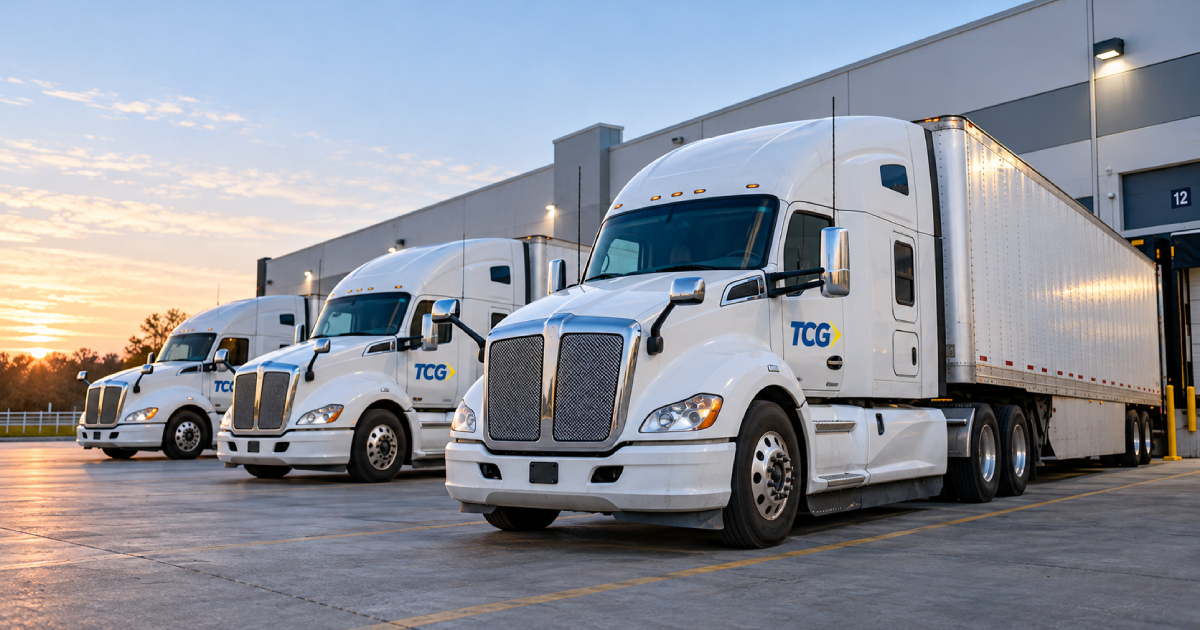
Dedicated Trucking Services: What “Dedicated” Should Mean in 2026
Explore how dedicated trucking services work, when it makes sense, what to include in a contract, and how to balance reliability with flexibility.
Regulatory Environment Hitting Reliability of Capacity
Trucking capacity is tightening as regulations, driver shortages, and fuel costs pressure carriers. See what shippers are facing in the back half of 2026.

Third-Party Warehousing Companies: How to Compare Multi-Site Providers
Learn how to rank third-party warehousing companies by network footprint, transportation integration, technology, scalability, and supply chain fit.

Asset-Based Carrier vs. Broker: Which One Actually Moves Your Freight?
Learn how an asset-based carrier compares with a freight broker, when each delivers the most value, and why many shippers benefit from both.

Cross-Border Trucking Seeing Impact of Tariffs
Tariff changes are reshaping North American freight flows, affecting cross-border trucking demand, capacity, trade lanes, and shipping strategies.
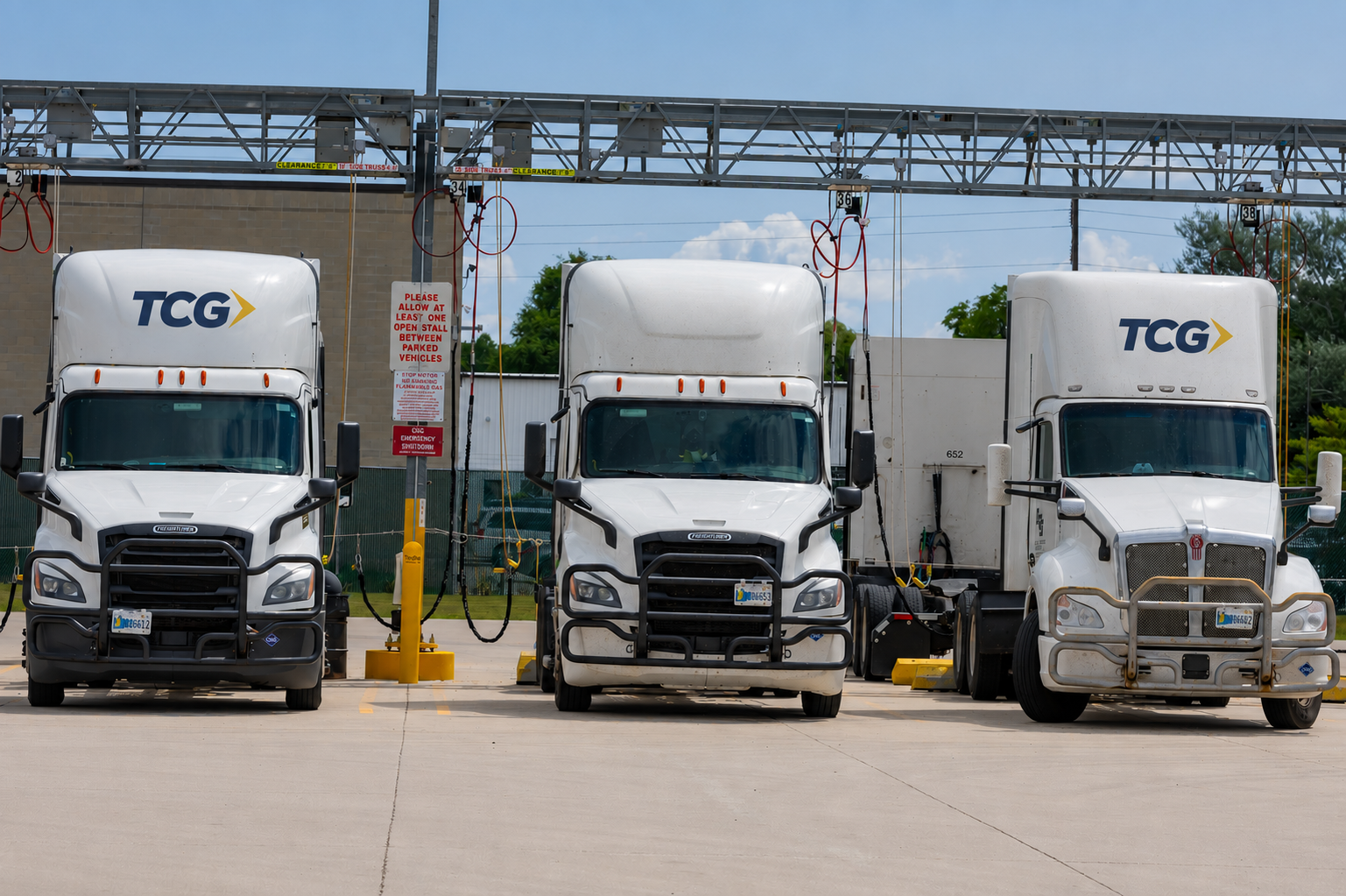
When Does a Company Actually Need Dedicated Trucking?
Dedicated trucking has the most value when predictable freight, demanding service requirements, and the consequences of failure justify the commitment.
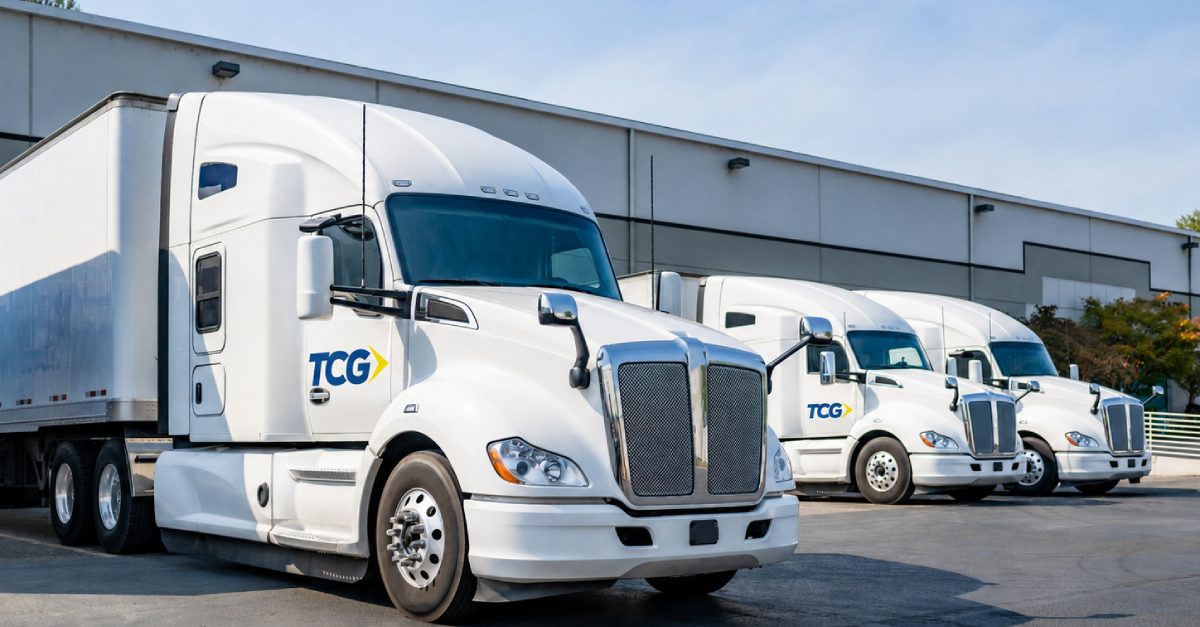
Trucking Capacity Tightens, Spot Rates Up, and a Data Center Boost
Trucking capacity is tight, demand remains uneven, rates rise, tender rejections bump up, and post-Montgomery is a daunting prospect for smaller carriers.

Let’s Hear It for Truck Drivers: The Men and Women We All Rely On
Truck drivers connect manufacturers with distributors, farms with grocers, and warehouses with retailers. That contribution deserves recognition.

Freight Brokerage, Asset-Light, Asset-Based: How to Know When to Use What
Learn how freight brokerage compares with asset-light and asset-based transportation, and when each model — or combination — makes the most sense for you.
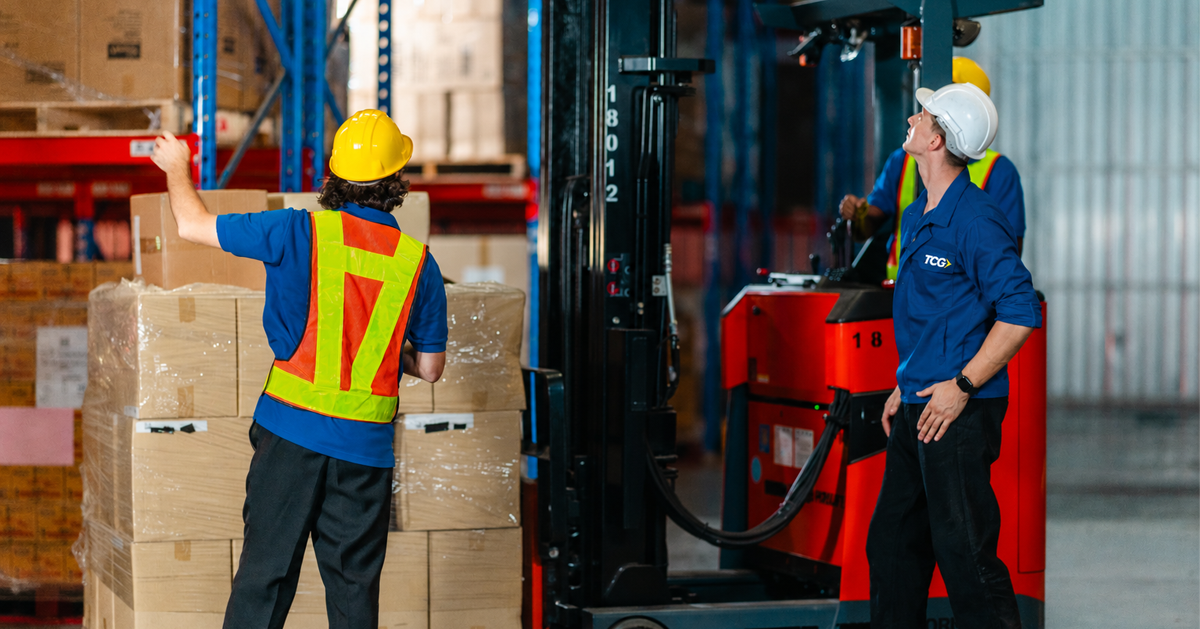
What Is Third-Party Warehousing? A 2026 Guide for Manufacturers and Distributors
Modern third-party warehousing is about much more than putting pallets on racks. A 3PL may handle a range of value-added services.

Customer Expectations Rise for AI in Logistics
Explore the latest AI in logistics trends, from autonomous supply chains and last-mile delivery to yard management and shipper expectations.

Freight Market on the Upswing: CSCMP Report
CSCMP says the freight market recovery is underway as truck capacity tightens, LTL demand grows, and supply chain volatility becomes the new normal.

Ten Transportation Companies, One Name: Introducing TCG
(TCG) bring(s) a 40-year legacy of service excellence across warehousing, multi-mode trucking, and supply chain … Our 10 brands sit under a single operating model, giving you what most mid-market t…

What Is a Third-Party Logistics Provider? A Plain-English Guide for 2026
What is third-party logistics? Learn how 3PLs help shippers manage freight, warehousing, capacity, and supply chain growth in 2026.

Why a $700M Logistics Company Hired Its First Salesperson This Year
For nearly 40 years, we didn’t have a sales department because we never built the company around selling; we built it around relationships. That’s a subtle distinction, but I think it’s an importan…
How to Consolidate 10 Logistics Vendors Down to Two (Without Losing Service)
Vendor consolidation is happening across nearly every industry. Procurement organizations are under constant pressure to reduce complexity while improving operational performance. And transportatio…

Best 3PL Providers in 2026: How Mid-Market Shippers Should Actually Compare
In 2026, selecting among the top third-party logistics companies requires looking beyond size and evaluating practical considerations like transportation assets, brokerage capabilities, geographic…

3PL Pricing in 2026: What Storage and Transportation Actually Cost
The term 3PL covers a broad range of logistics services rather than a single product. Every shipper selects a different combination depending on its business model and customer requirements.